Menu


Start Free $129 Lifetime
Why is it the #1 bulk uploader?
- Insanely fast!
- Maintains folder structure.
- 100% automated upload.
- Supports RAW files.
- Privacy default.
How can you get started?
Download PicBackMan and start free, then upgrade to annual or lifetime plan as per your needs. Join 100,000+ users who trust PicBackMan for keeping their precious memories safe in multiple online accounts.
Trusted by users in 125+ countries.
“Your pictures are scattered. PicBackMan helps you bring order to your digital memories.”

pCloud vs Google Drive - Which is Better?

Choosing the right cloud storage solution can make a big difference in how you manage files, share documents, and keep your data safe. Two popular options in the market today are pCloud and Google Drive. Both have their strengths, but which one is truly better for your needs?
In this detailed comparison, we'll break down everything about pCloud and Google Drive - from pricing and storage options to security features and ease of use. By the end, you'll have a clear understanding of which cloud storage service might be the right fit for you.
Overview of pCloud and Google Drive
Before diving into the specifics, let's get familiar with these two cloud storage platforms:
What is pCloud?
pCloud is a cloud storage service founded in 2013 and based in Switzerland. It has gained popularity for its unique lifetime subscription options and strong focus on security. pCloud offers both personal and business plans with various storage capacities.
The service works across all major platforms including Windows, macOS, Linux, iOS, and Android. One of pCloud's standout features is its music player that allows users to stream audio files directly from the cloud.
What is Google Drive?
Google Drive is Google's cloud storage service launched in 2012. It's deeply integrated with Google's ecosystem of products like Google Docs, Sheets, and Slides. Google Drive comes with 15GB of free storage shared across Google services and offers paid plans for additional storage.
As part of Google's suite of tools, Drive is designed to work seamlessly with Gmail, Google Photos, and other Google applications. It's available on all major platforms and has become one of the most widely used cloud storage solutions worldwide.
Storage and Pricing Comparison
One of the most important factors when choosing a cloud storage service is how much space you get and at what cost. Let's compare what pCloud and Google Drive offer:
pCloud Storage Plans and Pricing
- Free plan: 10GB (can be expanded to 20GB through referrals and completed tasks)
- Premium 500GB: $49.99/year
- Premium Plus 2TB: $99.99/year
- Lifetime plans: 500GB for $175 or 2TB for $350 (one-time payment)
- Family plan: 2TB shared storage for up to 5 users at $500 (lifetime)
- Business plans: Starting at $9.99 per user per month for 1TB
Google Drive Storage Plans and Pricing
- Free plan: 15GB (shared across Google services like Gmail and Google Photos)
- Google One 100GB: $1.99/month or $19.99/year
- Google One 200GB: $2.99/month or $29.99/year
- Google One 2TB: $9.99/month or $99.99/year
- Google One 5TB: $24.99/month
- Google One 10TB: $49.99/month
- Google One 20TB: $99.99/month
- Google One 30TB: $149.99/month
- Google Workspace (business): Starting at $6 per user per month with 30GB storage
Storage and Pricing Analysis
Google Drive offers more flexibility with smaller storage tiers, making it easier to find a plan that matches your exact needs. However, pCloud's lifetime plans provide significant long-term value - pay once and never worry about subscription fees again.
For heavy users, Google Drive offers larger storage options (up to 30TB), while pCloud tops out at 10TB for individual users. That said, if you plan to use cloud storage for many years, pCloud's lifetime plans could save you hundreds or even thousands of dollars compared to Google Drive's subscription model.
File Sharing and Collaboration Features
How easily you can share files and collaborate with others is crucial for many users. Let's see how these two services compare:
pCloud Sharing and Collaboration
- Share files and folders via links or direct invitations
- Set passwords for shared links
- Set expiration dates for shared links
- Track statistics for shared links (number of downloads, views)
- Create upload links where others can add files to your account
- Basic commenting features on shared files
- No real-time collaboration on documents
Google Drive Sharing and Collaboration
- Share files and folders via links or direct invitations
- Set permissions (view, comment, edit)
- Password protection for shared links (with Google One subscription)
- Expiration dates for shared links
- Real-time collaboration on Google Docs, Sheets, and Slides
- Comment and suggest features
- Version history and activity tracking
- Integration with Google Meet for collaborative meetings
Collaboration Analysis
Google Drive clearly has the edge when it comes to collaboration. Its tight integration with Google's productivity suite makes it perfect for teams working together on documents, spreadsheets, or presentations. The real-time editing capabilities are particularly valuable for remote teams.
pCloud offers solid file sharing options but lacks the collaborative editing features that Google Drive provides. If you primarily need to share files rather than work on them together, pCloud's sharing features are sufficient. However, for collaborative work environments, Google Drive is the stronger choice.
Security and Privacy Comparison
When storing your files in the cloud, security and privacy should be top priorities. Let's examine how pCloud and Google Drive protect your data:
pCloud Security Features
- TLS/SSL encryption for data in transit
- 256-bit AES encryption for stored files
- Optional pCloud Crypto feature ($49.99/year or $150 lifetime) for client-side encryption
- 5 copies of files stored on different servers
- Based in Switzerland with strong privacy laws
- Two-factor authentication
- No known major security breaches
Google Drive Security Features
- TLS/SSL encryption for data in transit
- 256-bit AES encryption for stored files
- Server-side encryption (Google holds the keys)
- Advanced Protection Program for high-risk users
- Two-factor authentication
- Multiple data centers with redundancy
- Regular security audits
Security and Privacy Analysis
pCloud has a slight edge in privacy due to its Swiss location and the optional pCloud Crypto feature that provides zero-knowledge encryption. With Crypto enabled, not even pCloud can access your files, as the encryption keys remain solely with you.
Google Drive offers robust security but doesn't provide zero-knowledge encryption. This means Google technically has the ability to access your files if required by law. Google's privacy practices have also faced more scrutiny due to its advertising-based business model.
For users with highly sensitive data who prioritize privacy above all else, pCloud with the Crypto add-on is the better choice. For everyday security needs, both services provide strong protection.
File Sync and Access Features
How a cloud storage service handles file synchronization can significantly impact your workflow. Let's look at how these two services approach sync and access:
pCloud Sync and Access
- Desktop apps for Windows, macOS, and Linux
- Mobile apps for iOS and Android
- Web interface access
- Virtual drive that doesn't use local storage (pCloud Drive)
- Selective sync options
- Automatic camera upload from mobile devices
- Built-in media players for audio and video
- File versioning (30 days on free plan, 180 days on paid plans)
Google Drive Sync and Access
- Desktop apps for Windows and macOS
- Mobile apps for iOS and Android
- Web interface access
- Google Drive for Desktop app with streaming mode to save space
- Selective sync options
- Automatic camera upload through Google Photos
- Preview for numerous file types
- Version history (keeps versions for 30 days or 100 revisions)
Sync and Access Analysis
Both services offer solid sync capabilities across devices. pCloud stands out with its virtual drive feature that doesn't use local storage while still providing quick access to files. This is particularly useful for devices with limited storage space.
Google Drive integrates better with other services and has excellent preview capabilities for many file types. Its connection with Google Photos also makes photo management more streamlined.
For Linux users, pCloud has an advantage as it offers a native Linux client, while Google Drive requires third-party solutions for Linux integration.
Unique Features Comparison
Beyond the basics, both services offer unique features that might sway your decision. Let's explore what sets them apart:
pCloud Unique Features
- Lifetime plans: One-time payment for permanent access
- Music player: Stream audio files directly from the cloud
- Extended file history: Up to 180 days of file versioning on paid plans
- Remote upload: Add files from remote URLs directly to your pCloud
- Block-level sync: Only uploads changed portions of files for faster syncing
- Integrated audio player: With playlists and background playback
- Built-in video player: Stream videos without downloading
- Fair share: Automatically distributes storage in family accounts
Google Drive Unique Features
- Google Workspace integration: Seamless connection with Docs, Sheets, Slides, etc.
- Smart search: Powerful search capabilities including OCR for images
- Google Photos integration: Manage photos and videos easily
- Google Lens: Extract text from images
- AI-powered suggestions: Smart file recommendations
- Offline access: Work on Google Docs files without internet connection
- Third-party app integration: Works with numerous apps and services
- Google Meet integration: Present directly from Drive during video calls
Unique Features Analysis
pCloud excels in media handling with its built-in players and focuses on providing a complete storage solution with features like remote upload and block-level sync. The lifetime plans are particularly appealing for those looking to avoid recurring subscription costs.
Google Drive's strength lies in its ecosystem integration and productivity features. If you already use other Google services or need strong document collaboration tools, Google Drive offers significant advantages through its connected apps and AI-powered features.
Performance and Speed Comparison
The speed at which you can upload, download, and access your files is crucial for a good cloud storage experience. Let's compare the performance of both services:
Upload and Download Speeds
| Task | pCloud | Google Drive |
|---|---|---|
| Uploading 1GB file | Fast (varies by connection) | Fast (varies by connection) |
| Downloading 1GB file | Very fast with multiple servers | Very fast with Google's infrastructure |
| Syncing many small files | Fast with block-level sync | Sometimes slower with many small files |
| Initial setup sync | Can take time depending on data amount | Can take time depending on data amount |
Performance Analysis
Both services offer good performance, but there are some differences worth noting. pCloud's block-level sync technology can make file updates faster since only the changed parts of files are uploaded. This is particularly useful when working with large files that change frequently.
Google Drive tends to handle large individual file transfers well but can sometimes slow down when dealing with many small files. Both services are affected by your internet connection speed, but Google's extensive server network often provides consistent performance worldwide.
For users who frequently update large files, pCloud's block-level sync gives it a slight edge in performance efficiency.
Mobile Apps Comparison
With so much work happening on mobile devices today, the quality of mobile apps is an important consideration:
pCloud Mobile App Features
- Available for iOS and Android
- Automatic photo and video backup
- Offline access to favorite files
- Built-in media players
- File sharing capabilities
- Upload from other apps
- Document scanner feature
- Passcode lock for app security
Google Drive Mobile App Features
- Available for iOS and Android
- Scan documents with camera
- Search within documents and images (OCR)
- Offline access to selected files
- Integration with other Google apps
- Quick access to recent and important files
- Share files and manage permissions
- Edit Google Docs, Sheets, and Slides directly
Mobile App Analysis
Both services offer capable mobile apps, but they excel in different areas. pCloud's mobile app is particularly strong for media consumption with its built-in players and automatic media backup features.
Google Drive's mobile app shines with its document editing capabilities and integration with other Google services. The document scanning feature with OCR (optical character recognition) is particularly useful for digitizing physical documents.
If you primarily use cloud storage for media files on mobile, pCloud might be more convenient. If you need to create and edit documents on the go, Google Drive offers a more complete solution.
User Interface and Ease of Use
A clean, intuitive interface can make a big difference in your daily interaction with a cloud storage service:
pCloud User Interface
- Clean, minimalist design
- Intuitive folder structure similar to file explorers
- Easy drag-and-drop functionality
- Quick access to shared files, audio, and video
- Simple file operations (move, copy, delete)
- Relatively consistent experience across platforms
- Sometimes feels less polished than major competitors
Google Drive User Interface
- Modern, web-app style interface
- Recently updated design with Material Design principles
- Quick access section for important files
- Powerful search functionality
- Consistent experience across Google services
- Sometimes can feel cluttered with many features
- Regular updates and improvements
User Interface Analysis
pCloud offers a straightforward, traditional file management interface that most users will find familiar and easy to navigate. The learning curve is minimal, and the focus is clearly on file management rather than additional features.
Google Drive has evolved over the years to include more features, which can make the interface feel slightly more complex but also more powerful. The search functionality is particularly strong, helping users find files quickly even in large storage systems.
For users who prefer simplicity and a traditional file system approach, pCloud may feel more comfortable. For those who value integration and additional features, Google Drive's interface offers more functionality despite a slightly steeper learning curve.
Customer Support Comparison
When issues arise, having access to responsive customer support can be crucial:
pCloud Customer Support
- Email support for all users
- Premium support for paid users
- Knowledge base with tutorials and FAQs
- No live chat or phone support
- Response times typically within 24 hours
Google Drive Customer Support
- Help center with extensive documentation
- Community forums
- Email support for all users
- Chat and phone support for Google One subscribers
- 24/7 support for business customers
Customer Support Analysis
Google Drive offers more comprehensive support options, especially for paid users. The 24/7 support for business customers and the extensive documentation make it easier to get help when needed. The large user community also means that many common issues have already been addressed in forums.
pCloud provides adequate support but lacks the immediate assistance options like live chat or phone support. For most users, the email support and knowledge base will be sufficient, but those who need immediate help might find Google Drive's support options more reassuring.
Business Features Comparison
For business users, additional features related to team management, security, and administration are important:
pCloud Business Features
- Team folders with customizable access
- User management dashboard
- Detailed activity logs
- Comment on files
- Branded share links
- 256-bit AES encryption
- 5 TB minimum storage
- Centralized billing
Google Workspace (Drive for Business) Features
- Team Drives for shared ownership
- Advanced sharing controls
- Data loss prevention
- Vault for data retention policies
- Security center with advanced controls
- eDiscovery for emails and files
- Audit reports
- Integration with other business tools
- Custom email domains (@yourcompany.com)
Business Features Analysis
Google Workspace offers a more comprehensive business solution with advanced administration, security, and compliance features. The integration with Gmail, Calendar, and other Google services creates a complete productivity ecosystem that many businesses will find valuable.
pCloud Business provides solid storage and sharing features for teams but lacks some of the advanced administrative and compliance capabilities that Google Workspace offers. For smaller teams with simpler needs, pCloud Business can be cost-effective, especially with its straightforward pricing model.
Larger organizations or those with complex compliance requirements will likely find Google Workspace more suitable for their needs.
Which Service is Right for You?
After comparing all aspects of pCloud and Google Drive, here's a summary to help you decide which service might be best for your specific needs:
Choose pCloud if:
- You want to pay once with a lifetime plan rather than ongoing subscriptions
- Privacy and security are your top priorities (especially with pCloud Crypto)
- You need built-in media players for music and video streaming
- You want a virtual drive that doesn't use local storage
- You're a Linux user looking for native support
- You prefer a simple, traditional file system interface
Choose Google Drive if:
- You already use other Google services (Gmail, Photos, etc.)
- Collaboration is important (Google Docs, Sheets, Slides integration)
- You need powerful search capabilities for finding files
- You want more flexible storage options with smaller increments
- You need advanced sharing and permission controls
- You're looking for a complete business solution with administration tools
Consider both services if:
Some users might benefit from using both services for different purposes. For example, you could use:
- pCloud for long-term storage and media files with the lifetime plan
- Google Drive for collaborative work and integration with Google's productivity suite
This hybrid approach lets you take advantage of the strengths of each service while minimizing their limitations.
Quick Tip to ensure your videos never go missing
Videos are precious memories and all of us never want to lose them to hard disk crashes or missing drives. PicBackMan is the easiest and simplest way to keep your videos safely backed up in one or more online accounts.
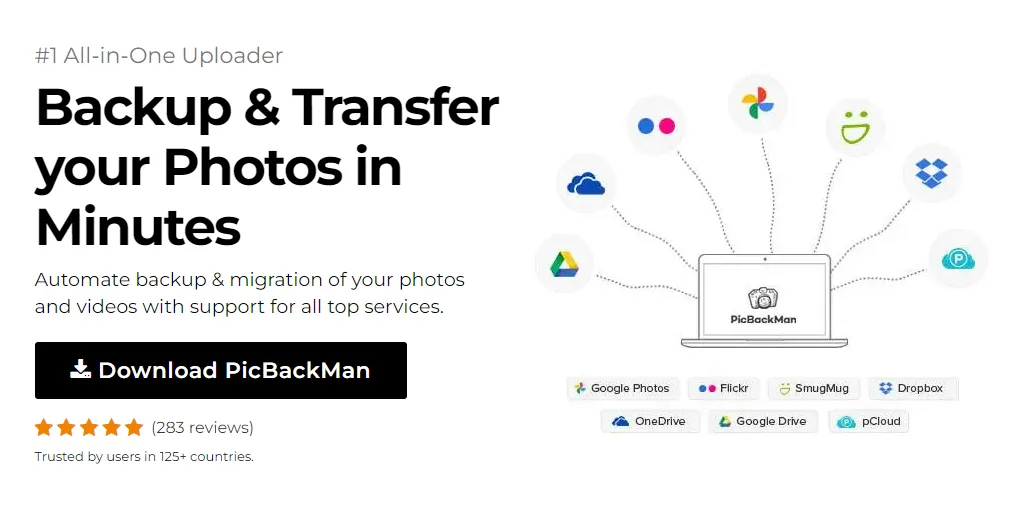
Simply download PicBackMan (it's free!) , register your account, connect to your online store and tell PicBackMan where your videos are - PicBackMan does the rest, automatically. It bulk uploads all videos and keeps looking for new ones and uploads those too. You don't have to ever touch it.
Conclusion
Both pCloud and Google Drive are excellent cloud storage services with their own strengths and weaknesses. Your choice ultimately depends on your specific needs, preferences, and how you plan to use cloud storage.
pCloud stands out with its lifetime plans, strong security features, and media handling capabilities. It's an excellent choice for users who want to make a one-time investment in cloud storage and those who prioritize privacy.
Google Drive excels in collaboration, integration with other services, and its powerful search and AI capabilities. It's ideal for those already in the Google ecosystem and teams that need robust collaboration tools.
By carefully considering the factors we've discussed - from pricing and storage to security and unique features - you can make an informed decision about which cloud storage service will work best for you or your organization.
Frequently Asked Questions (FAQs)
1. Can I use pCloud and Google Drive together?
Yes, you can use both services simultaneously. Many users use Google Drive for collaboration and document editing, while using pCloud for secure storage, media backups, or long-term archiving. Using both allows you to take advantage of each platform's strengths.
2. Which is more secure: pCloud or Google Drive?
Both services offer strong security with encryption in transit and at rest. However, pCloud provides an optional client-side encryption feature (pCloud Crypto) that ensures only you can access your files. Google Drive relies on server-side encryption and advanced account security features like two-factor authentication.
3. Which service offers better pricing?
pCloud is often considered more cost-effective for long-term storage, especially because it offers lifetime plans. Google Drive provides flexible monthly subscription options through Google One, but does not offer lifetime storage plans.
4. Is pCloud faster than Google Drive?
Upload and download speeds depend largely on your internet connection and location. In general, both services offer reliable performance. Some users report faster media uploads with pCloud, while Google Drive performs exceptionally well for document syncing and collaboration.
5. Which is better for collaboration and team work?
Google Drive is generally better for collaboration because it integrates directly with Google Docs, Sheets, and Slides, allowing real-time editing and commenting. pCloud focuses more on secure storage and file sharing rather than advanced live document collaboration.