Menu


Start Free $129 Lifetime
Why is it the #1 bulk uploader?
- Insanely fast!
- Maintains folder structure.
- 100% automated upload.
- Supports RAW files.
- Privacy default.
How can you get started?
Download PicBackMan and start free, then upgrade to annual or lifetime plan as per your needs. Join 100,000+ users who trust PicBackMan for keeping their precious memories safe in multiple online accounts.
Trusted by users in 125+ countries.
“Your pictures are scattered. PicBackMan helps you bring order to your digital memories.”

Backblaze vs Box: Which One Is Better?

Choosing the right cloud storage solution can be tricky with so many options available. Two popular services that often come up in discussions are Backblaze and Box. While both offer cloud storage capabilities, they serve different purposes and come with unique features that set them apart.
In this detailed comparison, I'll break down everything you need to know about Backblaze and Box to help you decide which one better suits your needs. We'll look at their core features, pricing structures, security measures, and much more.
What is Backblaze?
Backblaze is primarily a cloud backup service designed to automatically back up all your data. Founded in 2007, Backblaze has built a reputation for providing reliable, unlimited backup solutions for both individuals and businesses.
The main purpose of Backblaze is to create a complete backup of your computer or server data, ensuring you have a copy of everything in case of hardware failure, theft, or other data loss scenarios.
What is Box?
Box, on the other hand, is a cloud content management and file sharing service founded in 2005. It focuses on business collaboration, allowing teams to store, manage, and share files securely in the cloud.
Box is designed with collaboration in mind, offering features that make it easy for teams to work together on documents, manage projects, and streamline workflows.
Core Features Comparison
Backblaze Core Features
- Unlimited backup storage for a single computer
- Automatic and continuous backup
- External drive backup support
- File version history (30 days standard, up to 1 year with extended version history)
- Restore via web download, USB drive, or hard drive delivery
- B2 Cloud Storage option for more advanced storage needs
- Mobile apps for accessing backed-up files
- Locate lost or stolen computers
Box Core Features
- File storage and sharing with granular permissions
- Real-time collaboration on documents
- Integration with 1,500+ apps including Microsoft 365, Google Workspace
- Advanced security controls and compliance certifications
- Workflow automation capabilities
- Box Notes for collaborative document creation
- Extensive commenting and task assignment features
- Desktop sync client and mobile apps
Pricing Structure Comparison
Backblaze Pricing
Backblaze offers straightforward pricing for its personal backup service:
- $7 per month for a single computer
- $70 per year (saving about $14 compared to monthly)
- $130 for two years (saving about $38 compared to monthly)
For businesses, Backblaze offers:
- Computer Backup: Same pricing as personal, with business features
- B2 Cloud Storage: $0.005/GB/month for storage ($5/TB) and $0.01/GB for downloads
Box Pricing
Box offers tied pricing plans:
- Individual (Free): 10GB storage, 250MB file upload limit
- Personal Pro ($10/month): 100GB storage, 5GB file upload limit
- Business Starter ($7/user/month): 100GB storage, 2GB file upload limit
- Business ($20/user/month): Unlimited storage, 5GB file upload limit
- Business Plus ($33/user/month): Unlimited storage, 15GB file upload limit
- Enterprise ($47/user/month): Unlimited storage, 15GB file upload limit, plus advanced features
Storage Capacity and Limitations
Backblaze Storage
Backblaze's personal backup plan offers truly unlimited storage for a single computer, with no file size restrictions. This means you can back up terabytes of data without worrying about hitting a cap. However, this unlimited storage only applies to one computer per license.
For B2 Cloud Storage, you pay only for what you use, making it scalable for any storage needs.
Box Storage
Box's storage limits depend on your plan:
- Free plan: Limited to 10GB total storage
- Personal Pro: 100GB storage
- Business plans: Range from 100GB to unlimited storage
Box also has file size upload limits that vary by plan, ranging from 250MB on the free plan to 15GB on higher-tier business plans.
Ease of Use Comparison
Backblaze User Experience
Backblaze is designed to be simple and hands-off. After installation, it works in the background with minimal input required from users. The setup process typically takes just a few minutes:
- Download and install the Backblaze client
- Create an account or sign in
- Let Backblaze scan and begin backing up your files
The desktop application is minimalist, focusing on showing backup status rather than providing complex controls. The web interface for restoring files is straightforward but not as polished as some competitors.
Box User Experience
Box offers a more feature-rich interface designed for active use rather than running in the background. The web interface is polished and intuitive, with clear organization of files and folders.
The Box Sync desktop application allows for easy file syncing between your computer and Box. The mobile apps provide a smooth experience for accessing and sharing files on the go.
Box puts more emphasis on the user interface since it's designed for daily interaction and collaboration, not just emergency recovery.
Security Features Comparison
Backblaze Security
Backblaze offers several security features to protect your data:
- AES 128-bit encryption at rest
- SSL encryption during transfer
- Optional private encryption key (though this means Backblaze cannot help with recovery if you lose the key)
- Two-factor authentication
- Data centers with 24/7 staff, biometric security, and redundant power
Box Security
Box provides enterprise-grade security features:
- AES 256-bit encryption at rest
- TLS encryption in transit
- Customer-managed encryption keys (on higher-tier plans)
- Two-factor authentication
- Single sign-on integration
- Detailed access logs and user activity tracking
- Compliance with standards like HIPAA, SOC, and GDPR
- Advanced threat detection
Box generally offers more advanced security features and controls, particularly for business users who need to manage access across teams.
File Sharing and Collaboration
Backblaze Sharing Capabilities
Backblaze's sharing features are limited since it's primarily a backup service:
- Share links to specific files from your backup
- Email file links to others
- No collaborative editing or commenting
- No settings permission for shared files
The sharing functionality in Backblaze is basic and meant for occasional use rather than as a primary feature.
Box Sharing and Collaboration
Box excels in sharing and collaboration capabilities:
- Granular permission controls (view, edit, upload, etc.)
- Password protection for shared links
- Expiration dates for shared links
- Direct collaboration on files with comments and tasks
- Version tracking with detailed history
- Real-time notifications of file changes
- Integration with productivity suites like Office 365 and Google Workspace
File Recovery and Versioning
Backblaze Recovery Options
Backblaze offers several ways to recover your data:
- Web download: Restore files through your browser
- Mobile app restoration: Access and download files from iOS or Android
- USB flash drive delivery: Get files sent on a 256GB USB drive ($99, refundable if returned)
- Hard drive delivery: Get files sent on a hard drive up to 8TB ($189, refundable if returned)
For versioning, Backblaze keeps:
- 30 days of file versions by default
- 1 year version history with the extended version history add-on
- Deleted files are retained for the same period
Box Recovery and Versioning
Box approaches file recovery and versioning differently:
- Web interface recovery: Restore previous versions through the web app
- Trash recovery: Restore deleted files from trash (30 days for most plans)
- Version history: Box keeps up to 100 versions of files
- Enterprise retention policies: Set custom retention rules on business plans
Box's versioning system is designed more for collaborative work tracking than disaster recovery.
Mobile Access Comparison
Backblaze Mobile Experience
Backblaze offers mobile apps for iOS and Android that allow you to:
- View all backed-up files from your computer
- Download individual files to your mobile device
- Share links to files
- Check backup status
The mobile experience is functional but basic, focusing on access rather than management.
Box Mobile Experience
Box provides comprehensive mobile apps with features like:
- Browse, upload, and download files
- Edit documents directly within the app
- Annotate PDFs
- Scan documents using your camera
- Automatic backup photo and video from your device
- Offline access to selected files
- Push notifications for file activities
Box's mobile apps are designed to be a full extension of the Box platform, enabling productive work from mobile devices.
Integration Capabilities
Backblaze Integrations
Backblaze offers limited integrations, focusing on its core backup functionality:
- Synology NAS integration
- QNAP NAS integration
- B2 Cloud Storage APIs for custom integrations
- Limited third-party app connections
Box Integrations
Box boasts an extensive integration ecosystem:
- 1,500+ integrated applications
- Deep integration with Microsoft 365 (Word, Excel, PowerPoint)
- Google Workspace integration
- Slack, Zoom, and other collaboration tools
- Adobe Creative Cloud integration
- Salesforce and other CRM systems
- Custom workflow automation with Box Relay
- Comprehensive API for custom integrations
Box clearly outshines Backblaze in terms of integration capabilities, making it more suitable for businesses that use multiple software tools.
Performance and Reliability
Backblaze Performance
Backblaze focuses on reliable, steady backup performance:
- Initial backup can take days depending on data amount and connection speed
- Throttling options to prevent bandwidth hogging
- Continuous incremental backups that run in the background
- 99.9% uptime for their services
- Data redundancy across multiple drives
Box Performance
Box provides performance optimized for business collaboration:
- Fast file uploads and downloads
- Quick file previews without downloading
- Global content delivery network for faster access worldwide
- Desktop sync client that efficiently synchronizes changes
- 99.9% guaranteed uptime SLA for business plans
Both services are reliable, but they're optimized for different use cases – Backblaze for steady, ongoing backup and Box for responsive file access and sharing.
Customer Support Comparison
Backblaze Support
Backblaze offers:
- Email support for all customers
- Knowledge base and guides
- Community forums
- No phone support for personal plans
- Business-hour support (not 24/7 for standard plans)
Box Support
Box provides tied support options:
- Free plan: Community support only
- Business plans: Email and web support
- Higher-tier plans: Phone support during business hours
- Enterprise plan: 24/7 phone support
- Comprehensive knowledge base
- Dedicated customer success managers for enterprise customers
Box generally offers more support channels, especially for business and enterprise customers.
Use Case Scenarios: When to Choose Each Service
When to Choose Backblaze
Backblaze is the better choice when:
- You need a simple, set-it-and-forget-it backup solution
- You want to back up large amounts of data without storage limits
- Disaster recovery is your primary concern
- You need to back up external drives
- You want an affordable backup solution for personal use
- You need physical media restore options
When to Choose Box
Box is the better option when:
- Team collaboration is essential
- You need advanced file sharing capabilities
- Document workflow and approval processes are important
- Integration with other business tools is necessary
- You require granular permission controls
- Compliance with industry regulations is crucial
- You need a platform that serves as a content hub rather than just backup
Detailed Feature Comparison Table
| Feature | Backblaze | Box |
|---|---|---|
| Primary Purpose | Backup and disaster recovery | File storage, sharing, and collaboration |
| Storage Limits | Unlimited for one computer (Personal Backup) | 10GB (Free) to Unlimited (Business) |
| File Size Limits | No limit | 250MB to 15GB depending on plan |
| Pricing Model | Per computer or per GB (B2) | Per user with tiered plans |
| Encryption | AES 128-bit | AES 256-bit |
| Version History | 30 days (standard), 1 year (extended) | Up to 100 versions |
| Collaboration Tools | Limited | Extensive |
| File Recovery Options | Web, mobile, USB drive, hard drive | Web, mobile, trash recovery |
| Mobile Apps | Basic access and download | Full-featured with editing capability |
| Third-party Integrations | Limited | 1,500+ applications |
| Business Features | Basic admin console | Advanced workflow, compliance, and security |
Can You Use Both Services Together?
Yes, many businesses and individuals use both Backblaze and Box together as they serve different purposes:
- Use Backblaze for comprehensive backup of all computer data
- Use Box for active file storage, sharing, and collaboration
This combination provides both the security of having all your data backed up and the convenience of having your working files available for collaboration.
For example, you might:
- Keep your entire computer backed up with Backblaze, including personal photos, videos, and documents
- Store your active work projects in Box where team members can collaborate
- Use Box for sharing files with clients and colleagues
- Rely on Backblaze in case of hardware failure or data loss
The cost of using both services is reasonable considering the different benefits they provide.
Quick Tip to ensure your videos never go missing
Videos are precious memories and all of us never want to lose them to hard disk crashes or missing drives. PicBackMan is the easiest and simplest way to keep your videos safely backed up in one or more online accounts.
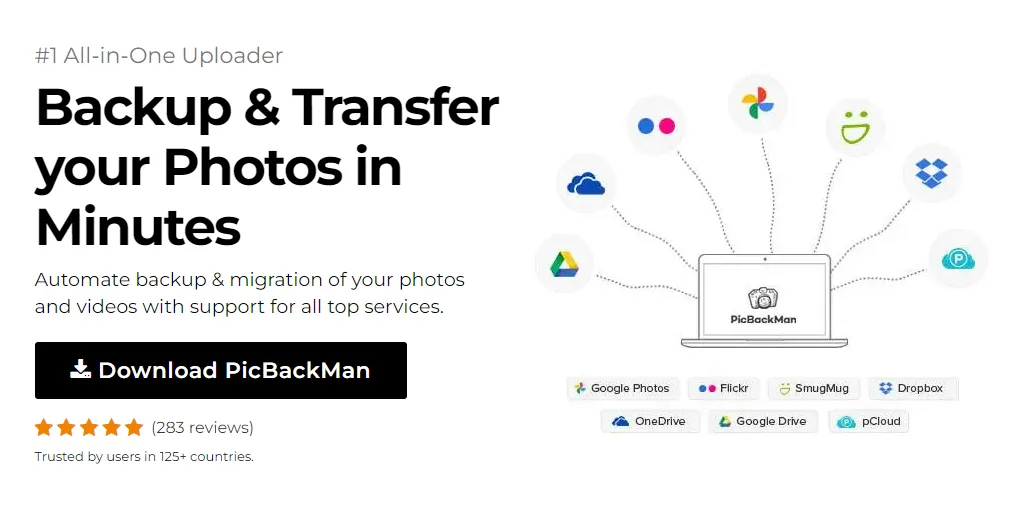
Simply download PicBackMan (it's free!) , register your account, connect to your online store and tell PicBackMan where your videos are - PicBackMan does the rest, automatically. It bulk uploads all videos and keeps looking for new ones and uploads those too. You don't have to ever touch it.
Conclusion
When comparing Backblaze and Box, it's clear that they serve different primary purposes despite both being cloud storage solutions.
Backblaze excels as a backup solution, offering unlimited storage for a single computer at an affordable price. Its strength lies in disaster recovery and data protection rather than day-to-day file access and sharing. If your main concern is keeping your data safe in case of hardware failure, theft, or other disasters, Backblaze is the better choice.
Box, on the other hand, shines as a collaboration platform with robust file sharing, editing, and workflow features. It's designed for active use, with strong security controls and extensive integration with other business applications. For teams that need to work together on documents and manage content across an organization, Box offers much more functionality.
The right choice depends entirely on your specific needs. Many users find value in using both services together – Backblaze for comprehensive backup and Box for collaboration – as they complement each other well.
FAQs About Backblaze vs Box
1. Can Backblaze be used for file sharing like Box?
While Backblaze does offer basic file sharing through links to backed-up files, it lacks the collaborative features, permission controls, and integration capabilities that make Box ideal for file sharing. Backblaze is primarily designed for backup, not as a file-sharing platform.
2. Does Box offer automatic computer backup like Backblaze?
No, Box doesn't automatically back up your entire computer like Backblaze does. Box requires you to manually select which files to upload or sync. While Box does offer sync clients for desktop, it's designed for selected files rather than complete system backup.
3. Which service is more cost-effective for storing large amounts of data?
For pure storage of large amounts of data from a single computer, Backblaze's unlimited backup plan ($7/month) is more cost-effective. However, if you need to store data from multiple devices or require collaboration features, Box's business plans with unlimited storage might provide better value despite the higher per-user cost.
4. Can I recover deleted files with both services?
Yes, both services allow recovery of deleted files, but with different approaches. Backblaze keeps deleted files for 30 days (or up to 1 year with extended version history). Box keeps deleted files in the trash for 30 days on most plans, with more extended options available on enterprise plans.
5. Which service has better security for sensitive business documents?
Box generally offers more comprehensive security features for business use, including AES 256-bit encryption (vs. Backblaze's 128-bit), more granular access controls, detailed audit logs, and compliance with more industry standards. For organizations handling sensitive information with regulatory requirements, Box provides more security controls and compliance certifications.