Menu


Start Free $129 Lifetime
Why is it the #1 bulk uploader?
- Insanely fast!
- Maintains folder structure.
- 100% automated upload.
- Supports RAW files.
- Privacy default.
How can you get started?
Download PicBackMan and start free, then upgrade to annual or lifetime plan as per your needs. Join 100,000+ users who trust PicBackMan for keeping their precious memories safe in multiple online accounts.
Trusted by users in 125+ countries.
“Your pictures are scattered. PicBackMan helps you bring order to your digital memories.”

How to Export Gmail Emails Without Using Google Takeout

Need to save your Gmail emails but don't want to use Google Takeout? You're not alone. While Google Takeout is the official way to download your data, it can be slow, complicated, and sometimes gives you more than you actually need. The good news is that there are several other methods to export your Gmail emails quickly and easily.
In this guide, I'll walk you through multiple ways to export your Gmail emails without using Google Takeout. Whether you need to back up important messages, switch email providers, or just want more control over your data, these methods will help you accomplish your goal with minimal hassle.
Why You Might Want to Skip Google Takeout
Before diving into alternatives, let's quickly address why you might want to avoid using Google Takeout:
- It can take hours or even days to prepare your download
- The process exports ALL your Google data by default
- Files come in formats that might not be immediately useful
- The size of the download can be enormous
- You have limited control over what specific emails to export
Now, let's explore better alternatives that give you more control and faster results.
Method 1: Use Gmail's Built-in Forward Function
For a small number of important emails, Gmail's forward feature can be a quick solution.
Steps to Forward Multiple Emails:
- Open Gmail in your browser
- Select the emails you want to export by clicking the checkbox next to each one
- Click the three dots (More actions) at the top of your inbox
- Select "Forward as attachment"
- Enter your destination email address
- Click "Send"
This method works well for up to 25 emails at once. The emails will be attached as .eml files, which can be opened in most email clients.
Pros and Cons of Forwarding
| Pros | Cons |
|---|---|
| Quick and easy | Limited to 25 emails per forward |
| No additional software needed | Not practical for large numbers of emails |
| Preserves email formatting | Requires manual selection |
Method 2: Use IMAP with an Email Client
Email clients like Thunderbird, Outlook, or Apple Mail can connect to Gmail via IMAP and allow you to download emails to your computer.
Setting Up Mozilla Thunderbird to Export Gmail
Thunderbird is a free, open-source email client that makes it easy to download your Gmail messages.
Step 1: Prepare Your Gmail Account
- Log into your Gmail account
- Click on the gear icon in the top right corner and select “See all settings”
- Go to the "Forwarding and POP/IMAP" tab
- Make sure IMAP is enabled
- Save changes
Step 2: Set Up App Password (if using 2-factor authentication)
- Go to your Google Account settings (https://myaccount.google.com/)
- Select "Security" from the left menu
- Under "Sign in to Google," find "App passwords"
- Generate a new app password for Thunderbird
- Copy the 16-character password that appears
Step 3: Configure Thunderbird
- Download and install Mozilla Thunderbird
- Open Thunderbird and select "Set up an existing email account"
- Enter your name, Gmail address, and password (use the app password if you have 2FA enabled)
- Click "Continue" and Thunderbird will automatically detect your Gmail settings
- Click "Done" to finish setup
Step 4: Download and Export Emails
- Wait for Thunderbird to sync with your Gmail account (this may take some time depending on how many emails you have)
- Select the folder containing emails you want to export
- Select the emails you want to export (use Ctrl+A to select all)
- Right-click and select "Save As"
- Choose a location on your computer and select the format (EML is recommended)
- Click "Save"
Using Microsoft Outlook to Export Gmail
If you prefer Microsoft Outlook, you can use a similar process:
Step 1: Add Your Gmail Account to Outlook
- Open Outlook and go to File > Add Account
- Enter your Gmail address and click "Connect"
- Enter your password (use app password if you have 2FA enabled)
- Follow the prompts to complete setup
Step 2: Export Emails from Outlook
- Wait for Outlook to sync with Gmail
- Select the emails you want to export
- Go to File > Save As
- Choose a location and format (MSG or HTML)
- Click "Save"
For bulk exports in Outlook, you can also use:
- File > Open & Export > Import/Export
- Select "Export to a file"
- Choose "Outlook Data File (.pst)"
- Select your Gmail account folders
- Choose a save location
- Click "Finish"
Method 3: Use Gmail Backup Tools
Several third-party tools are specifically designed to back up and export Gmail emails.
MailStore Home (Free for Personal Use)
Step 1: Download and Install
- Download MailStore Home from the official website
- Install the program on your computer
- Launch MailStore Home
Step 2: Add Your Gmail Account
- Click on "Archive Email"
- Select "Gmail" from the list of email services
- Enter your Gmail address
- Enter your password (or app password if using 2FA)
- Click "Next"
Step 3: Configure Backup Settings
- Choose which folders you want to archive
- Set any filters if needed (date range, etc.)
- Click "Next"
Step 4: Export archived emails
- Once archiving is complete, go to “Export Email”
- Select your Gmail archive
- Choose an export format (EML, MSG, PDF, or HTML)
- Select a destination folder
- Click "Export"
Gmvault (Open-Source Option)
Gmvault is a command-line tool, which might seem intimidating at first, but it's quite powerful and reliable.
Step 1: Install Gmvault
- Download Gmvault from the official website
- Install it following the instructions for your operating system
Step 2: Back Up Your Gmail
Open Command Prompt (Windows) or Terminal (Mac/Linux) and run:
gmvault sync your.email@gmail.com
Follow the authentication prompts that appear.
Step 3: Restore or Access Emails
Your emails will be stored in a database format. To restore them to another Gmail account:
gmvault restore your.email@gmail.com
Or browse them directly in the gmvault-db folder that was created.
Method 4: Use Browser Extensions
Browser extensions can provide a user-friendly way to export Gmail emails directly from your browser.
CloudHQ Email Backup
Step 1: Install the Extension
- Go to the Chrome Web Store
- Search for "CloudHQ Email Backup"
- Click "Add to Chrome"
- Confirm the installation
Step 2: Configure and Export
- Open Gmail in your browser
- Click on the CloudHQ extension icon
- Sign in with your Google account
- Select the labels/folders you want to export
- Choose your export format (PDF, EML, etc.)
- Click "Start Backup"
Gmail Backup to Google Drive
This extension backs up your emails directly to Google Drive.
Step 1: Install the Extension
- Find "Backup Gmail to Google Drive" in the Chrome Web Store
- Add it to Chrome
Step 2: Set Up and Export
- Click the extension icon
- Authorize access to your Gmail and Google Drive
- Select emails to back up
- Choose backup format
- Click "Start Backup"
Method 5: Use the Gmail API (Advanced)
For those with programming skills, the Gmail API offers the most flexibility for exporting emails.
Basic Steps for Using the Gmail API:
- Create a project in Google Cloud Console
- Enable the Gmail API
- Create credentials (OAuth client ID)
- Use a programming language like Python to access the API
- Write code to fetch and save emails in your preferred format
Here's a simplified Python example:
import base64
import os
import pickle
from googleapiclient. discovery import build
from google_auth_oauthlib.flow import InstalledAppFlow
from google.auth.transport.requests import Request

# Set up credentials and Gmail API service
SCOPES = ['https://www.googleapis.com/auth/gmail.readonly']

def get_gmail_service():
    creds = None
    if os.path.exists('token.pickle'):
        with open('token.pickle', 'rb') as token:
            creds = pickle.load(token)
    if not creds or not creds.valid:
        if creds and creds.expired and creds.refresh_token:
            creds.refresh(Request())
        else:
            flow = InstalledAppFlow.from_client_secrets_file(
                'credentials.json', SCOPES)
            creds = flow.run_local_server(port=0)
        with open('token.pickle', 'wb') as token:
            pickle.dump(creds, token)
    return build('gmail', 'v1', credentials=creds)

Get emails and save them
def export_emails():
    service = get_gmail_service()
    results = service.users().messages().list(userId='me', maxResults=100).execute()
    messages = results.get('messages', [])

    If no messages:
        print('No messages found.')
    else:
        print(f'Exporting {len(messages)} messages...')
        For messages in messages:
            msg = service.users().messages().get(userId='me', id=message['id'], format='full').execute()

            # Extract email details and save
            subject = ''
            sender = ''
            for header in msg['payload']['headers']:
                if header['name'] == 'Subject':
                    subject = header['value']
                if header['name'] == 'From':
                    sender = header['value']

            # Create safe filename
            safe_subject = "".join([c if c.isalnum() else "_" for c in subject])
            filename = f"{safe_subject[:30]}_{message['id']}.eml"

            Get raw email content
            raw_msg = service.users().messages().get(userId='me', id=message['id'], format='raw').execute()
            msg_bytes = base64.urlsafe_b64decode(raw_msg['raw'])

            Save to file
            with open(filename, 'wb') as f:
                f.write(msg_bytes)

            print(f'Saved: {filename}')

if __name__ == '__main__':
    export_emails()
This is just a basic example. You would need to expand it to handle attachments, pagination, and other details.
Method 6: Use Email Migration Services
If you're moving to another email provider, many services offer direct migration tools.
Popular Email Migration Services:
- ShuttleCloud (used by many providers including Zoho Mail)
- YippieMove
- Audriga Mail Migration
Steps for Using Migration Services:
- Sign up for the migration service
- Provide your Gmail credentials
- Provide destination email credentials
- Select what to migrate (emails, contacts, calendars)
- Start the migration process
These services typically charge a fee but handle the entire process for you.
Comparing All Methods: Which One Should You Choose?
| Method | Best For | Difficulty Level | Speed |
|---|---|---|---|
| Gmail Forward | Few important emails | Easy | Fast |
| Email Clients (IMAP) | Complete backup with organization | Medium | Medium |
| Backup Tools | Regular backups | Easy-Medium | Medium-Fast |
| Browser Extensions | Occasional exports | Easy | Medium |
| Gmail API | Custom export needs | Hard | Variable |
| Migration Services | Moving to new provider | Easy | Slow |
Troubleshooting Common Export Issues
Authentication Problems
If you're having trouble signing in:
- Make sure you've created an app password if you use 2-factor authentication
- Check that IMAP is enabled in your Gmail settings
- Try signing in to Gmail directly first to clear any security alerts
Export Freezes or Takes Too Long
If your export process seems stuck:
- Try exporting smaller batches of emails
- Check your internet connection
- Close other applications to free up system resources
- For large mailboxes, use an incremental backup tool like Gmvault
Missing Attachments
If attachments aren't included in your export:
- Make sure your export format supports attachments (EML and MSG do)
- Check if the tool you're using has a setting for including attachments
- Consider using an email client like Thunderbird which reliably preserves attachments
Gmail Blocking Access
If Gmail blocks access to your account:
- Check for security alerts in your Gmail
- Make sure you've allowed "less secure apps" if using older email clients
- Try using OAuth 2.0 authentication instead of direct password access
Quick Tip to ensure your videos never go missing
Videos are precious memories and all of us never want to lose them to hard disk crashes or missing drives. PicBackMan is the easiest and simplest way to keep your videos safely backed up in one or more online accounts.
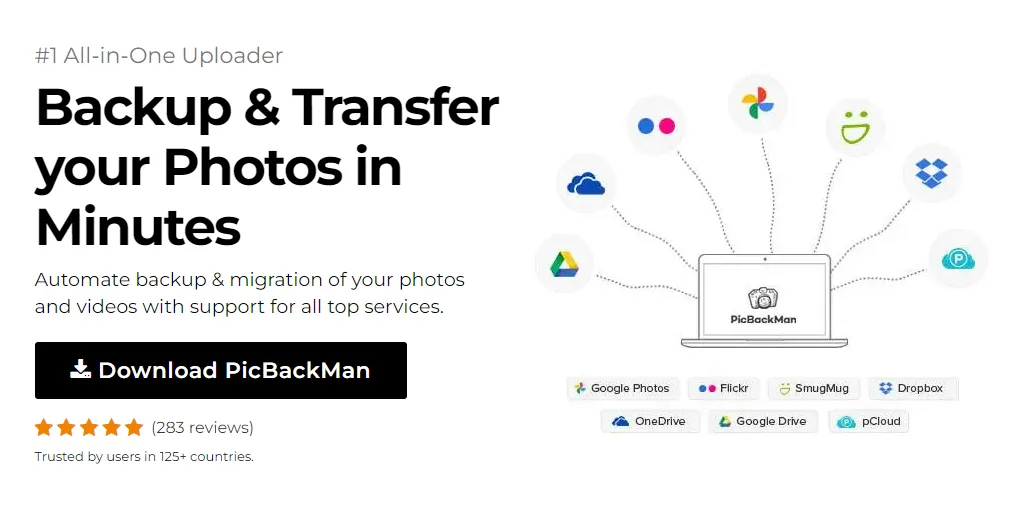
Simply download PicBackMan (it's free!) , register your account, connect to your online store and tell PicBackMan where your videos are - PicBackMan does the rest, automatically. It bulk uploads all videos and keeps looking for new ones and uploads those too. You don't have to ever touch it.
Best Practices for Email Exports
Before You Start
- Clean up your inbox by deleting unnecessary emails
- Organize emails into labels/folders for easier export
- Make sure you have enough storage space on your device
During Export
- Start with a small test batch to make sure everything works
- Don't close your computer or disconnect from the internet during export
- Export in batches if you have a very large mailbox
After Export
- Verify that your exported emails are complete and readable
- Organize exported files into a logical folder structure
- Consider creating a backup of your exported emails
Maintaining Your Exported Emails
Once you've exported your emails, it's important to keep them organized and accessible:
Storage Options
- External hard drive for large email archives
- Cloud storage (Dropbox, OneDrive, etc.) for accessibility
- Network attached storage (NAS) for home/office access
Organization Tips
- Create folders by year, sender, or topic
- Use consistent naming conventions for files
- Consider using document management software for searchability
Regular Maintenance
- Set up a schedule for regular exports (monthly, quarterly)
- Check file integrity periodically
- Update your backup strategy as your needs change
Conclusion
Exporting your Gmail emails without Google Takeout is not only possible but can actually be more efficient depending on your specific needs. From simple forwarding for a few important messages to comprehensive backup solutions for your entire inbox, you now have multiple options to choose from.
For most users, email clients like Thunderbird or Outlook provide the best balance of ease-of-use and features. They allow you to download your emails to your computer and export them in common formats that can be opened by most email programs.
For more technical users, tools like Gmvault or the Gmail API offer greater control and automation possibilities. And for those who just need a quick solution, browser extensions can do the job with minimal setup.
Remember to regularly back up your important emails, as even cloud services like Gmail can experience issues or account problems. By following the methods outlined in this guide, you'll have peace of mind knowing your important communications are safely stored and accessible whenever you need them.
Frequently Asked Questions
1. Can I export only specific emails from Gmail without Google Takeout?
Yes, you can export specific emails by selecting them in Gmail and using the “Forward as attachment” feature, or by using an email client like Thunderbird or Outlook to download only the emails you want. Browser extensions also typically allow you to select specific labels or date ranges to export.
2. What file format is best for exporting Gmail emails?
EML or MSG formats are generally best as they preserve the full email structure including attachments and formatting. PDF is good for archival purposes but doesn't allow for reimporting. MBOX format is useful if you plan to import the emails into another email system later.
3. Will exporting emails from Gmail delete them from my account?
No, exporting or downloading emails doesn't delete them from your Gmail account. All the methods mentioned in this article only create copies of your emails. If you want to delete the emails after exporting, you'll need to do that separately.
4. How can I export emails if I have a very large Gmail account (over 10GB)?
For very large accounts, your best options are either using Gmvault (which handles incremental backups efficiently) or an email client like Thunderbird configured to download messages in batches. You might also consider exporting by year or by label to break the process into manageable chunks.
5. Is it possible to automate Gmail exports on a schedule?
Yes, you can automate Gmail exports using tools like Gmvault with scheduled tasks (Windows) or cron jobs (Mac/Linux). Some paid backup services also offer scheduled backups. For a programming solution, you can create a script using the Gmail API and set it to run automatically at specified intervals.