Start Free $129 Lifetime
Why is it the #1 bulk uploader?
- Insanely fast!
- Maintains folder structure.
- 100% automated upload.
- Supports RAW files.
- Privacy default.
How can you get started?
Download PicBackMan and start free, then upgrade to annual or lifetime plan as per your needs. Join 100,000+ users who trust PicBackMan for keeping their precious memories safe in multiple online accounts.
“Your pictures are scattered. PicBackMan helps you bring order to your digital memories.”

How to Access Photos or Videos on Any Device Using iCloud Photo Library?

Managing photos across multiple devices can be a hassle. With iCloud Photo Library, you can access all your precious memories anywhere, anytime. This guide will walk you through setting up and using iCloud Photo Library effectively on all your devices.
What is iCloud Photo Library?
iCloud Photo Library is Apple's cloud storage service specifically designed for your photos and videos. It automatically stores your entire library and keeps it updated across all your devices. This means you can take a photo on your iPhone and instantly view it on your iPad, Mac, or even on a Windows PC.
The beauty of this system is that you always have access to your complete photo collection regardless of which device you're using. No more manual transfers or worrying about storage space on individual devices!
Getting Started with iCloud Photo Library
Step 1: Check Your iCloud Storage
Before enabling iCloud Photo Library, check if you have enough storage space. Apple gives you 5GB for free, but this fills up quickly with photos and videos.
- On iPhone/iPad: Go to Settings > [your name] > iCloud > Manage Storage
- On Mac: Click Apple menu > System Preferences > Apple ID > iCloud > Manage
- On Windows: Open iCloud for Windows app > Storage
If you need more storage, you can upgrade your plan:
- 50GB: $0.99/month
- 200GB: $2.99/month
- 2TB: $9.99/month
Step 2: Enable iCloud Photo Library on Your Devices
On iPhone or iPad:
- Open the Settings app
- Tap on your name at the top
- Select "iCloud"
- Tap "Photos"
- Toggle on "iCloud Photos"
On Mac:
- Open the Photos app
- Click "Photos" in the menu bar
- Select "Preferences"
- Click the "iCloud" tab
- Check the box next to "iCloud Photos"
On Windows PC:
- Download and install iCloud for Windows from the Microsoft Store or Apple's website
- Open the iCloud for Windows app
- Sign in with your Apple ID
- Check the box next to "Photos"
- Click "Options"
- Select "iCloud Photos"
- Click "Done" and then "Apply"
On the Web:
- Visit icloud.com in any web browser
- Sign in with your Apple ID
- Click on "Photos"
Managing Storage Options
When using iCloud Photo Library, you have two storage options on your devices:
Option 1: Optimize Storage
This option keeps full-resolution photos and videos in iCloud while storing smaller, space-saving versions on your device when storage is limited. Your original high-resolution versions are downloaded when you view or edit them.
Option 2: Download and Keep Originals
This option keeps full-resolution versions of all photos and videos on your device as well as in iCloud. This requires more device storage but gives you access to originals even without an internet connection.
To choose your preferred option:
- On iPhone/iPad: Settings > [your name] > iCloud > Photos
- On Mac: Photos app > Preferences > iCloud
Accessing Your Photos Across All Devices
On iPhone and iPad
Once you've enabled iCloud Photo Library, simply open the Photos app to access all your photos and videos. The app organizes content into:
- Library: Shows all your photos chronologically
- For You: Displays memories and featured photos
- Albums: Contains auto-created and custom albums
- Search: Helps find specific photos by location, person, or content
On Mac
The Photos app on Mac provides a similar experience to iOS devices:
- Open the Photos app from your Applications folder or Dock
- Browse through your library using the sidebar navigation
- Use the search bar to find specific photos by date, location, or content
The Mac version offers more powerful editing tools and organization options compared to mobile devices.
On Windows PC
After setting up iCloud for Windows, you can access your photos in two ways:
Method 1: Using File Explorer
- Open File Explorer
- Navigate to the iCloud Photos folder (usually found in your Pictures folder)
- You'll see two folders:
- Downloads - contains photos you've downloaded to your PC
- Uploads - where you can add photos to your iCloud library
Method 2: Using iCloud.com
- Open any web browser
- Go to icloud.com
- Sign in with your Apple ID
- Click on "Photos"
On the Web (Any Device)
The web interface works on any device with a browser:
- Visit icloud.com
- Sign in with your Apple ID and password
- Click the Photos icon
- Browse your entire library, create albums, or select photos to download
Uploading Photos to iCloud Photo Library
From iPhone or iPad
Photos and videos taken on these devices automatically upload to iCloud Photo Library when connected to Wi-Fi (or cellular if enabled).
To control whether photos use cellular data:
- Go to Settings > Photos
- Scroll down to "Cellular Data"
- Toggle "Cellular Data" on or off
From Mac
To add photos from your Mac:
- Open the Photos app
- Drag and drop photos from Finder into the Photos app
- Or use File > Import to select photos to import
These will automatically sync to iCloud Photo Library.
From Windows PC
- Open File Explorer
- Navigate to the iCloud Photos folder
- Open the "Uploads" folder
- Drag and drop photos into this folder
The photos will upload to iCloud and then appear across all your devices.
Downloading Photos from iCloud Photo Library
On iPhone or iPad
To save specific photos to your device:
- Open the Photos app
- Select the photo(s) you want to save
- Tap the share icon (square with up arrow)
- Select "Save to Files" to choose a location on your device
On Mac
To export photos from the Photos app:
- Select the photo(s) you want to export
- Go to File > Export > Export Photos
- Choose your preferred format and quality settings
- Select a destination folder and click "Export"
On Windows PC
To download photos:
- Open the iCloud Photos folder in File Explorer
- Navigate to the "Downloads" folder
- Copy the photos you want to another location on your PC
Alternatively, use icloud.com to select and download photos.
On the Web
- Go to icloud.com and sign in
- Click on Photos
- Select the photos you want to download
- Click the download icon (cloud with down arrow)
Sharing Photos from iCloud Photo Library
Shared Albums
Shared Albums let you share photos with specific people:
Creating a Shared Album on iPhone/iPad:
- Open the Photos app
- Tap the "Albums" tab
- Scroll down and tap "+" next to "Shared Albums"
- Name your album
- Tap "Next"
- Enter the email addresses or phone numbers of people you want to invite
- Tap "Create"
- Select photos to add to the album
- Tap "Done"
Creating a Shared Album on Mac:
- Open the Photos app
- Click "File" > "New Shared Album"
- Name your album
- Click "Create"
- Add photos to the album
- Right-click on the shared album and select "Invite People"
- Enter email addresses and click "Send"
iCloud Link Sharing
To quickly share individual photos or videos:
- Select the photo(s) you want to share
- Tap the share icon
- Choose "Copy iCloud Link" (iOS) or "Share > Copy Link" (Mac)
- Paste the link in a message, email, or social media post
The recipient can view and download the photos even if they don't use Apple devices.
Troubleshooting iCloud Photo Library Issues
Photos Not Syncing
If your photos aren't appearing across devices:
- Check your internet connection
- Verify iCloud Photos is enabled on all devices
- Make sure you're signed in with the same Apple ID on all devices
- Check your iCloud storage (you might be out of space)
- Restart your devices
Storage Issues
If you're running out of iCloud storage:
- Go to Settings > [your name] > iCloud > Manage Storage > Photos
- Review how much space your photos are using
- Consider upgrading your storage plan or deleting unwanted photos
- Enable "Optimize Storage" on devices where you don't need full-resolution photos
Slow Upload or Download
If syncing is taking too long:
- Connect to a faster Wi-Fi network
- Close other apps that might be using bandwidth
- For large libraries, leave devices plugged in and connected to Wi-Fi overnight
Tips for Getting the Most from iCloud Photo Library
Organizing Your Photos
Keep your library tidy with these organization tips:
- Create albums for different events, trips, or categories
- Use the "Favorites" feature (heart icon) to mark special photos
- Add descriptions to photos to make them easier to find later
- Use the People feature to group photos by who appears in them
Saving Space on Your Devices
To maximize device storage:
- Use "Optimize Storage" on devices with limited space
- Regularly review and delete unwanted photos
- After backing up important photos to iCloud, delete local copies of old photos you rarely access
Comparison: iCloud Photo Library vs. Other Cloud Storage Services
| Feature | iCloud Photo Library | Google Photos | Amazon Photos |
|---|---|---|---|
| Free Storage | 5GB (shared with other iCloud services) | 15GB (shared with Gmail, Drive) | 5GB (Unlimited for Prime members) |
| Paid Plans Starting At | $0.99/month for 50GB | $1.99/month for 100GB | $1.99/month for 100GB |
| Apple Integration | Excellent | Good | Limited |
| Cross-Platform Support | iOS, macOS, Windows, Web | iOS, Android, Web | iOS, Android, Web |
| Photo Organization | Good | Excellent | Good |
Privacy and Security Features
Apple takes privacy seriously with iCloud Photo Library:
- Photos are encrypted both in transit and in storage
- Two-factor authentication adds an extra layer of security
- You control who can see your shared photos
- Private photo sharing doesn't post to social media
To enhance your iCloud security:
- Enable two-factor authentication for your Apple ID
- Use a strong, unique password
- Regularly review which devices are signed into your account
- Be cautious about public Wi-Fi when accessing your photos
Advanced iCloud Photo Library Features
Smart Albums
On Mac, you can create Smart Albums that automatically collect photos based on criteria you set:
- Open Photos app on Mac
- Go to File > New Smart Album
- Set your criteria (date, location, person, etc.)
- Name and save your Smart Album
Memories
iCloud Photos automatically creates collections called Memories:
- Found in the "For You" tab on iOS or "Memories" in the sidebar on Mac
- Automatically groups photos from significant events or time periods
- Creates slideshows with music
- Can be saved, shared, or customized
Photo Search
The search function in Photos is powerful:
- Search by location ("beach," "Paris")
- Search by object or scene ("dog," "sunset")
- Search by person (if you've identified faces)
- Search by date or date range
Quick Tip to ensure your videos never go missing
Videos are precious memories and all of us never want to lose them to hard disk crashes or missing drives. PicBackMan is the easiest and simplest way to keep your videos safely backed up in one or more online accounts.
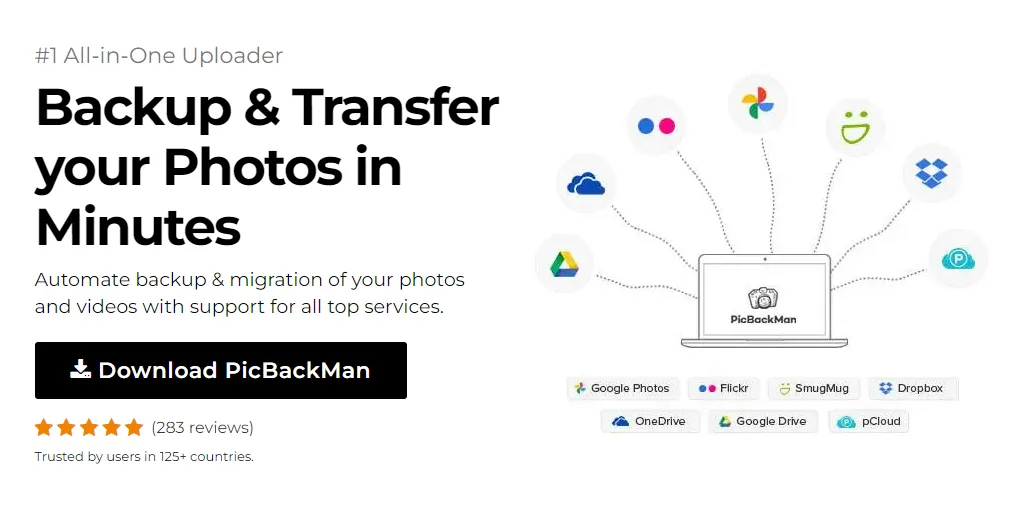
Simply download PicBackMan (it's free!), register your account, connect to your online store and tell PicBackMan where your videos are - PicBackMan does the rest, automatically. It bulk uploads all videos and keeps looking for new ones and uploads those too. You don't have to ever touch it.
Conclusion
iCloud Photo Library offers a seamless way to access your entire photo collection across all your devices. By following the steps in this guide, you can set up, manage, and make the most of this powerful service.
The key benefits include automatic syncing, space-saving options, easy sharing, and powerful organization tools. Whether you're an iPhone user with a Mac, a mixed-device household, or someone who just wants their photos available everywhere, iCloud Photo Library provides a solution that works.
Remember to regularly check your storage usage and consider upgrading your plan if needed. With proper setup and management, you'll never have to worry about losing precious memories or being unable to access them when you want to show friends and family.
Frequently Asked Questions
1. Will deleting photos from my iPhone delete them from iCloud Photo Library?
Yes, when iCloud Photo Library is enabled, deleting a photo from one device will delete it from all devices and iCloud. If you want to free up space on your device without deleting photos from iCloud, use the "Optimize iPhone Storage" option instead of deleting them.
2. Can I use iCloud Photo Library on Android devices?
There's no official iCloud Photos app for Android. However, you can access your iCloud photos through the web browser by going to icloud.com, signing in with your Apple ID, and selecting Photos. This gives you basic viewing and downloading capabilities.
3. How long does it take for photos to sync to iCloud?
Sync time depends on your internet speed and the size of your photo library. Small batches of photos typically sync within minutes when on a good Wi-Fi connection. Initial uploads of large libraries might take hours or even days. You can check sync progress on iOS by scrolling to the bottom of the Photos app.
4. What happens if I exceed my iCloud storage limit?
When you reach your storage limit, new photos and videos won't upload to iCloud until you either free up space by deleting content or upgrade your storage plan. Your devices will notify you when you're running low on space, giving you the option to manage storage or upgrade.
5. Can family members access my iCloud Photo Library?
By default, your personal iCloud Photo Library is private. Family members can't access your photos unless you specifically share them using Shared Albums or iCloud Link sharing. Even if you use Family Sharing for other Apple services, your photo library remains private unless you choose to share specific content.