Menu


Start Free $129 Lifetime
Why is it the #1 bulk uploader?
- Insanely fast!
- Maintains folder structure.
- 100% automated upload.
- Supports RAW files.
- Privacy default.
How can you get started?
Download PicBackMan and start free, then upgrade to annual or lifetime plan as per your needs. Join 100,000+ users who trust PicBackMan for keeping their precious memories safe in multiple online accounts.
Trusted by users in 125+ countries.
“Your pictures are scattered. PicBackMan helps you bring order to your digital memories.”

Best Way to Integrate SFTP to Google Drive

Connecting SFTP (Secure File Transfer Protocol) to Google Drive can streamline your file management workflow and create a seamless bridge between these two storage systems. Whether you're a business professional needing to automate file transfers or an individual wanting to back up SFTP files to Google Drive, this comprehensive guide will walk you through the best methods to integrate these platforms.
Why Connect SFTP to Google Drive?
Before diving into the integration methods, let's understand why you might want to connect these two systems:
- Automatic backups from SFTP servers to Google Drive
- Centralized file storage across different platforms
- Easy sharing and collaboration using Google Drive's features
- Cost-effective storage solution using Google's infrastructure
- Access files from any device with an internet connection
Understanding SFTP and Google Drive
SFTP is a secure protocol for transferring files between computers over a network. It provides encryption and secure authentication, making it popular for businesses that need to transfer sensitive data.
Google Drive, on the other hand, is a cloud storage service that allows you to store files online and access them from anywhere. It offers collaboration features, automatic syncing, and integration with other Google services.
Methods to Integrate SFTP with Google Drive
There are several approaches to connecting these platforms, ranging from manual methods to automated solutions. Let's explore the best options:
1. Using Third-Party Integration Tools
Several specialized tools can help bridge SFTP and Google Drive with minimal setup.
Rclone - Command-Line Solution
Rclone is a powerful command-line program that can sync files between various storage systems, including SFTP and Google Drive.
Setting up Rclone:
- Download and install Rclone from the official website
- Configure SFTP remote using your server credentials
- Set up Google Drive remote by authenticating with your Google account
- Create sync commands to transfer files between the two systems
Example Rclone command for syncing:
rclone sync sftp:path/to/source gdrive:path/to/destination
This command will sync files from your SFTP server to Google Drive. You can automate this using cron jobs or task scheduler depending on your operating system.
MultCloud - Web-Based Solution
MultCloud offers a user-friendly web interface for connecting and transferring files between cloud services.
Steps to use MultCloud:
- Create a MultCloud account
- Add your SFTP server as a cloud storage
- Connect your Google Drive account
- Use the “Cloud Transfer” feature to move files between platforms
- Set up scheduled transfers if needed
FileZilla Pro - Desktop Application
FileZilla Pro extends the popular FileZilla client with support for cloud services like Google Drive.
How to use FileZilla Pro:
- Purchase and install FileZilla Pro
- Connect to your SFTP server using server credentials
- Set up Google Drive connection through the site manager
- Drag and drop files between the two connected services
2. Using API Integration
For developers or those comfortable with coding, API integration offers the most flexible solution.
Custom Script with Google Drive API and SFTP Library
You can create custom scripts using programming languages like Python to handle the integration.
Python Implementation:
Here's a simplified outline of what such a script might look like:
- Install required libraries:
pip install pysftp google-api-python-client oauth2client - Authenticate with Google Drive using OAuth2
- Connect to SFTP server using credentials
- Download files from SFTP
- Upload files to Google Drive
- Schedule the script to run periodically
This approach gives you complete control over the integration process and allows for custom logic based on your specific needs.
3. Using Automation Platforms
Zapier
Zapier can connect various apps and services, though direct SFTP integration might require workarounds.
Potential Zapier workflow:
- Use Zapier's webhook or email triggers
- Set up an SFTP client to send notifications when files change
- Configure Zapier to download the file and upload it to Google Drive
Integromat (Make)
Integromat (now called Make) offers SFTP modules that can be connected to Google Drive.
Setting up Integromat:
- Create a new scenario in Integromat
- Add an SFTP module as the trigger
- Connect it to a Google Drive module for the action
- Configure the data mapping between the two systems
- Set a schedule for the scenario to run
4. Using Cloud Storage Gateways
Cloud storage gateways provide a way to mount cloud storage as local drives, which can simplify the integration process.
Mountain Duck
Mountain Duck allows you to mount both SFTP and Google Drive as local drives on your computer.
Steps to use Mountain Duck:
- Install Mountain Duck
- Add your SFTP server as a bookmark
- Add Google Drive as another bookmark
- Mount both drives
- Copy files between the mounted drives
ExpanDrive
Similar to Mountain Duck, ExpanDrive lets you mount cloud storage as local drives.
Using ExpanDrive:
- Install ExpanDrive
- Set up connections to both SFTP and Google Drive
- Access both as if they were local folders
- Transfer files between them using file explorer
Step-by-Step Guide to Integrate SFTP with Google Drive Using Rclone
Let's walk through a detailed implementation using Rclone, one of the most flexible and powerful options:
Step 1: Install Rclone
- For Windows: Download the installer from the Rclone website and run it
- For macOS: Use Homebrew with
brew install rclone - For Linux: Use
curl https://rclone.org/install.sh | sudo bash
Step 2: Configure SFTP Remote
- Open terminal or command prompt
- Run
rclone config - Select
nfor new remote - Enter a name for your SFTP remote (eg, "my-sftp")
- Select SFTP from the list of storage types
- Enter your SFTP server hostname
- Enter the port number (usually 22)
- Enter your username and password or set up key-based authentication
- Confirm the configuration
Step 3: Configure Google Drive Remote
- While still in
rclone config, selectnfor new remote - Enter a name for your Google Drive remote (eg, "my-gdrive")
- Select Google Drive from the list
- Choose the scope (usually full access)
- Leave client ID and secret blank for automatic configuration
- Select
yto configure auto config - A browser window will open; Log in to your Google account and grant permissions
- Confirm the configuration
Step 4: Test the Connection
Test both connections to ensure they're working properly:
- List SFTP files:
rclone ls my-sftp:/path/to/folder - List Google Drive files:
rclone ls my-gdrive:/path/to/folder
Step 5: Perform a Sync operation
Now you can sync files from SFTP to Google Drive:
rclone sync my-sftp:/path/to/source my-gdrive:/path/to/destination
This command will copy files from SFTP to Google Drive, skipping files that already exist.
Step 6: Automate the Process
On Windows:
- Create a batch file (.bat) with your rclone command
- Open Task Scheduler
- Create a new task that runs your batch file
- Set the trigger to run on a schedule (eg, daily)
On macOS/Linux:
- Create a shell script with your rclone command
- Make it executable with
chmod +x script.sh - Add a cron job with
crontab -e - Add a line like
0 2 * * * /path/to/script.shto run it daily at 2 AM
Comparing Integration Methods
| Method | Ease of Use | Flexibility | Cost | Automation |
|---|---|---|---|---|
| Rclone | Moderate | High | Free | Yes (via scripts) |
| MultCloud | High | Moderate | Free/Premium | Yes |
| FileZilla Pro | High | Low | Paid | No |
| Custom API Script | Low | Very High | Free | Yes |
| Integromat/Make | Moderate | High | Free/Premium | Yes |
| Cloud Storage Gateways | High | Moderate | Paid | No |
Best Practices for SFTP to Google Drive Integration
Security Considerations
- Use strong passwords for both SFTP and Google accounts
- Enable two-factor authentication where possible
- Consider using key-based authentication for SFTP instead of passwords
- Regularly review access permissions for both systems
- Be cautious with sensitive data transfers
Performance Optimization
- Transfer files during off-peak hours to minimize impact on network performance
- Consider compressing large files before transferring
- Use incremental transfers when possible to save bandwidth
- Set appropriate timeout values for large file transfers
Monitoring and Maintenance
- Set up logging for your file transfers
- Create alerts for failed transfers
- Regularly check that your integration is working as expected
- Keep integration tools and scripts updated
Troubleshooting Common Issues
Connection Problems
- Verify network connectivity to both SFTP server and Google Drive
- Check if firewalls are blocking the connection
- Ensure your SFTP credentials are correct
- Verify that your Google Drive authentication hasn't expired
Permission Errors
- Check file permissions on the SFTP server
- Verify that your Google account has write permissions for the destination folder
- Ensure your integration tool has the necessary permissions
Transfer Failures
- Check for file size limitations
- Look for special characters in filenames that might cause issues
- Verify that you have sufficient storage space on Google Drive
- Check for rate limiting or quota issues
Advanced Integration Scenarios
Bidirectional Sync
If you need files to sync in both directions, you can set up two separate sync operations:
rclone sync my-sftp:/path sftp-to-drive:/path
rclone sync my-gdrive:/path drive-to-sftp:/path
Be careful with bidirectional sync to avoid conflicts or unintended file deletions.
Selective File Sync
To sync only specific file types:
rclone sync my-sftp:/path my-gdrive:/path --include "*.pdf" --include "*.docx"
Real-time Sync
For near real-time syncing, you can:
- Use Rclone's
--monitorflag to watch for changes - Set up a frequent cron job (eg, every 5 minutes)
- Use filesystem events to trigger sync operations
Case Studies: Real-world Applications
Small Business Backup Solution
A small marketing agency uses SFTP to receive large media files from clients. They set up an automated Rclone script that runs nightly to back up all client files from their SFTP server to organized folders in Google Drive, providing an affordable backup solution while making the files easily accessible to their team.
E-commerce Data Pipeline
An e-commerce company receives daily inventory updates via SFTP from suppliers. They use a custom Python script to fetch these files, process them, and store both the raw data and processed reports in Google Drive, where their purchasing team can access them.
Educational Institution File Management
A university department maintains an SFTP server for student assignments. They implemented an integration with Google Drive to automatically create backups and enable faculty to review submissions through Google Drive's collaborative features without needing direct SFTP access.
Quick Tip to ensure your videos never go missing
Videos are precious memories and all of us never want to lose them to hard disk crashes or missing drives. PicBackMan is the easiest and simplest way to keep your videos safely backed up in one or more online accounts.
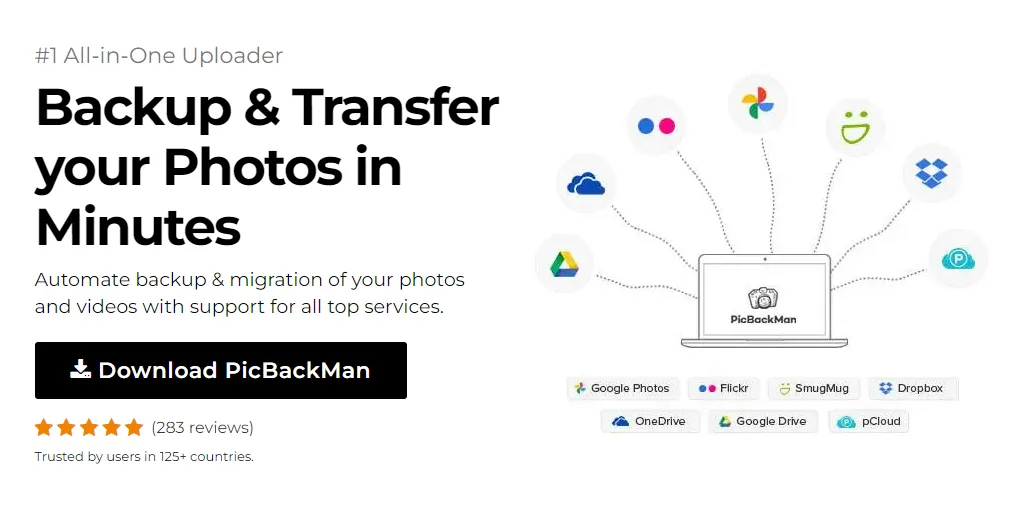
Simply download PicBackMan (it's free!) , register your account, connect to your online store and tell PicBackMan where your videos are - PicBackMan does the rest, automatically. It bulk uploads all videos and keeps looking for new ones and uploads those too. You don't have to ever touch it.
Conclusion
Integrating SFTP with Google Drive can significantly improve your file management workflow by combining the security of SFTP with the accessibility and collaboration features of Google Drive. Whether you choose a command-line tool like Rclone, a user-friendly solution like MultCloud, or develop a custom integration, the key is to select the method that best fits your technical skills and specific requirements.
For most users, Rclone offers the best balance of flexibility, cost (free), and automation capabilities. For those preferring a graphical interface, MultCloud or cloud storage gateways provide easier solutions though they may come with some limitations or costs.
By following the steps outlined in this guide, you can create a reliable bridge between your SFTP server and Google Drive, ensuring your files are both secure and accessible whenever you need them.
Frequently Asked Questions
1. Is it safe to connect my SFTP server to Google Drive?
Yes, it can be safe if implemented correctly. Both SFTP and Google Drive have strong security features. Make sure to use secure authentication methods, limit access permissions appropriately, and consider encrypting sensitive files before transfer if needed.
2. Can I sync files from Google Drive to SFTP?
Yes, most of the methods described in this article can work bidirectionally. You'll just need to reverse the source and destination in your sync commands or configurations. Be careful when setting up bidirectional syncs to avoid conflicts.
3. How often should I schedule the sync between SFTP and Google Drive?
This depends on your specific needs. For critical business data that changes frequently, you might want to sync every few minutes or hours. For backup purposes, a daily sync during off-hours might be sufficient. Consider the volume of data and impact on network performance when deciding.
4. What happens if a file is modified in both locations between syncs?
Most sync tools will use the last modified timestamp to determine which version to keep. Some tools offer conflict resolution options. To avoid issues, it's best to establish a clear workflow where files are only edited in one location, or use versioning features in Google Drive.
5. Do I need programming skills to integrate SFTP with Google Drive?
No, you don't necessarily need programming skills. Tools like MultCloud, FileZilla Pro, or Mountain Duck provide user-friendly interfaces for connecting these services. However, for more customized or automated solutions, basic scripting knowledge can be helpful.