Menu


Start Free $129 Lifetime
Why is it the #1 bulk uploader?
- Insanely fast!
- Maintains folder structure.
- 100% automated upload.
- Supports RAW files.
- Privacy default.
How can you get started?
Download PicBackMan and start free, then upgrade to annual or lifetime plan as per your needs. Join 100,000+ users who trust PicBackMan for keeping their precious memories safe in multiple online accounts.
Trusted by users in 125+ countries.
“Your pictures are scattered. PicBackMan helps you bring order to your digital memories.”

5 Free Ways to Save Link to Google Drive

Ever found yourself drowning in browser tabs or struggling to find that important link you saved somewhere? Google Drive offers a perfect solution for organizing and accessing your important links from any device. The best part? You don't need to spend a dime to do it.
In this guide, I'll show you five completely free methods to save links to Google Drive. These techniques will help you organize your online resources better and access them whenever you need them.
Why Save Links to Google Drive?
Before diving into the methods, let's quickly understand why saving links to Google Drive makes sense:
- Access your links from any device with internet access
- Organize links into folders for better management
- Share collections of links with others easily
- Backup important resources in case you switch browsers
- Search for links using Google Drive's powerful search feature
Method 1: Create a Google Docs Document to Store Links
One of the simplest ways to save links to Google Drive is by creating a dedicated Google Docs document. This method is perfect for organizing links with descriptions and categories.
Step-by-Step Guide to Save Links in Google Docs
1. Create a New Google Docs Document
First, open Google Drive and create a new Google Docs document:
- Go to drive.google.com and sign in
- Click the “+New” button in the top-left corner
- Select "Google Docs" from the dropdown menu
2. Set Up Your Link Document
Give your document a descriptive name like "Important Links" or "Research Resources." You might want to create sections in your document to categorize different types of links.
3. Add Links to Your Document
Adding links to Google Docs is straightforward:
- Type a description or title for your link
- Highlight the text you want to turn into a hyperlink
- Press Ctrl+K (Windows/Chrome OS) or Cmd+K (Mac)
- Paste the URL in the popup window and click "Apply"
Alternatively, you can:
- Right-click on the highlighted text
- Select "Link" from the context menu
- Paste your URL and click "Apply"
4. Organize Your Links
To keep your links organized, consider using headings, bullet points, or tables. For example:
- Create headings for different categories (Work, Personal, Research)
- Add bullet points under each category
- Include brief descriptions of what each link contains
5. Access Your Links
Whenever you need to access your saved links:
- Open Google Drive
- Find and open your links document
- Click on any hyperlink to open it in a new browser tab
Pros and Cons of Using Google Docs
| Pros | Cons |
|---|---|
| Easy to organize with formatting options | Can become cluttered with many links |
| Add notes and descriptions to links | Requires manual updating |
| Easy to share with others | Not automatically synchronized with bookmarks |
| Works offline when enabled | Less visual than some other methods |
Method 2: Use Google Keep to Save and Sync Links
Google Keep is a note-taking service that integrates perfectly with Google Drive. It's ideal for quickly saving links with minimal setup.
How to Save Links Using Google Keep
1. Access Google Keep
You can access Google Keep in several ways:
- Go directly to keep.google.com
- From Google Drive, click "New" > "More" > "Google Keep Notes"
- Use the Google Keep mobile app on Android or iOS
2. Create a New Note for Links
Once in Google Keep:
- Click on “Take a note” or the plus icon
- Add a title like "Important Links" or create topic-specific notes
- Paste your link in the note body
3. Organize Links with Labels and Colors
Google Keep offers several organization features:
- Click the label icon (tag symbol) to add labels to your notes
- Use the palette icon to color-code different types of links
- Pin important link collections to the top of your Keep interface
4. Access Your Links from Google Drive
Your Google Keep notes automatically sync with Google Drive. To find them:
- Open Google Drive
- In the left sidebar, click on "Google Keep"
- All your notes with links will be available there
Pros and Cons of Using Google Keep
| Pros | Cons |
|---|---|
| Quick and easy to use | Limited formatting options |
| Color coding and labels for organization | Not ideal for very large collections of links |
| Mobile apps available | Less structured than spreadsheets or docs |
| Reminder functionality | No hierarchical organization |
Method 3: Create a Google Sheets Spreadsheet for Link Management
For those who prefer a more structured approach, Google Sheets provides an excellent way to organize and categorize systematically relationally.
Setting Up a Link Management System in Google Sheets
1. Create a New Spreadsheet
To get started with a Google Sheets link manager:
- Go to Google Drive and click "New" > "Google Sheets"
- Name your spreadsheet something descriptive like "Link Library"
2. Set Up Your Columns
Create a structure for your link database:
- Column A: Link Name/Title
- Column B: URL
- Column C: Category/Tag
- Column D: Description
- Column E: Date Added
- Column F: Priority/Importance (optional)
3. Add Hyperlinks to Your Spreadsheet
To add clickable links in Google Sheets:
- Type or paste the URL in cell B
- Type a descriptive name in cell A
- Highlight the text in cell A
- Click "Insert" in the menu bar, then "Link"
- Paste the URL and click "Apply"
Alternatively, use the HYPERLINK function:
- In cell A, type: =HYPERLINK("URL", "Link Text")
- Replace "URL" with your actual URL and "Link Text" with your desired display text
4. Use Filtering and Sorting
Google Sheets allows you to organize your links dynamically:
- Click "Data" > "Create a filter"
- Use the filter dropdowns on each column to sort or filter links
- Sort by category, date added, or importance
5. Create Multiple Sheets for Different Link Categories
For extensive link collections:
- Click the "+" icon at the bottom of the screen to add new sheets
- Name each sheet according to different link categories
- Organize related links on their respective sheets
Pros and Cons of Using Google Sheets
| Pros | Cons |
|---|---|
| Highly structured organization | More time-consuming to set up initially |
| Powerful sorting and filtering | Less visually appealing than other methods |
| Easy to add metadata to links | Can feel overly complex for simple link saving |
| Excellent for large link collections | Requires more clicks to access links |
Method 4: Save Web Pages as PDFs to Google Drive
Sometimes you want to save more than just the link—you want the actual content of the page. Saving web pages as PDFs to Google Drive ensures you have access to the information even if the website changes or goes offline.
How to Save Web Pages as PDFs to Google Drive
1. Using Chrome's Print Function
The most straightforward method works with Google Chrome:
- Open the web page you want to save
- Press Ctrl+P (Windows/Chrome OS) or Cmd+P (Mac) to open the print dialog
- Change the destination to "Save as PDF"
- Click "Save"
- Choose Google Drive as the save location
- Name your PDF and click "Save"
2. Using the Google Drive Chrome Extension
Google Drive offers a Chrome extension that makes saving web content easier:
- Install the "Save to Google Drive" extension from Chrome Web Store
- Visit the web page you want to save
- Click the Google Drive extension icon in your browser
- Select "Save current page as Google Drive"
- The page will be saved as a PDF in your Google Drive
3. Organize Your Saved Web Pages
To keep your saved web pages organized:
- Create folders in Google Drive for different categories
- Move saved PDFs to their appropriate folders
- Rename PDFs with descriptive names for easy searching
Pros and Cons of Saving Web Pages as PDFs
| Pros | Cons |
|---|---|
| Preserves the entire page content | Takes up more storage space than links |
| Access content even if the website changes | PDFs may not preserve all interactive elements |
| Can annotate and highlight content | Content won't update if the website changes |
| Full text searchable in Google Drive | More steps required than simply saving links |
Method 5: Create Text Files with Links
A simple yet effective method for saving links is to create plain text files and upload them to Google Drive. This approach works well for those who prefer minimalism and simplicity.
Using Text Files to Store Links in Google Drive
1. Create a Text File on Your Computer
Start by creating a simple text file:
- Open Notepad (Windows), TextEdit (Mac), or any text editor
- Type or paste your links, adding descriptions as needed
- Save the file with a .txt extension and a descriptive name
2. Upload the Text File to Google Drive
Once your text file is ready:
- Go to Google Drive
- Click "New" > "File upload"
- Select your text file and click "Open"
- Wait for the upload to complete
3. Create Text Files Directly in Google Drive
Alternatively, create text files directly in Google Drive:
- Click "New" > "More" > "Text document"
- Type or paste your links
- The file saves automatically as you type
4. Organize Your Text Files
Keep your link collections organized:
- Create folders for different link categories
- Move text files into appropriate folders
- Use clear naming conventions for easy identification
Pros and Cons of Using Text Files
| Pros | Cons |
|---|---|
| Extremely simple to create and manage | No clickable links (must copy and paste) |
| Very small file size | Limited formatting options |
| Opens quickly on any device | No classification within the file |
| Easy to edit and update | Less visually organized than other methods |
Comparison: Which Method Is Right for You?
Depending on your needs, some methods might work better than others. Here's a comparison to help you decide:
| Method | Best For | Ease of Use | Organization Level | Visual Appeal |
|---|---|---|---|---|
| Google Docs | Detailed link collections with descriptions | Easy | High | Medium |
| Google Keep | Quick saving and accessing links | Very Easy | Medium | High |
| Google Sheets | Large collections with metadata and filtering needs | Medium | Very High | Low |
| PDF Saving | Preserving entire web pages | Medium | Medium | High |
| Text Files | Simple, no-frills link storage | Easy | Low | Very Low |
Tips for Effective Link Management in Google Drive
No matter which method you choose, these tips will help you maintain an organized and useful link collection:
Create a Consistent Folder Structure
Organize your links logically:
- Create main folders for broad categories (Work, Personal, Research)
- Add subfolders for specific topics
- Keep your structure consistent across all link storage methods
Use Descriptive Naming Conventions
Make finding links easier:
- Include key information in file names
- Consider adding dates for time-sensitive links
- Use consistent naming patterns across all files
Regular Maintenance
Keep your link collection useful:
- Set a schedule to review and update your links
- Remove outdated or broken links
- Reorganize as your needs change
Take Advantage of Google Drive Search
Google Drive has powerful search capabilities:
- Use specific search terms to find links quickly
- Filter search results by file type
- Use search operators like "type:" or "owner:" for advanced searching
Consider Using Multiple Methods Together
Different methods work well for different purposes:
- Use Google Keep for quick, temporary links
- Maintain a Google Sheets database for permanent collections
- Save important web pages as PDFs for offline access
Common Challenges and Solutions
Even with these free methods, you might encounter some challenges. Here are solutions to common problems:
Managing Too Many Links
If your link collection becomes overwhelming:
- Implement a tagging or category system
- Archive older links that you don't need regularly
- Use Google Sheets with filters for large collections
Keeping Links Updated
Websites change or disappear over time:
- Periodically check important links
- Save critical web pages as PDFs
- Note the date when you saved each link
Accessing Links Across Devices
To ensure seamless access:
- Use the Google Drive mobile app on your phone or tablet
- Make important link collections available offline
- Use consistent organization across all devices
Sharing Links with Others
When collaborating with others:
- Set appropriate sharing permissions (view vs. edit)
- Use Google Docs or Sheets for collaborative link collections
- Consider creating a shared folder for team resources
Advanced Tips for Power Users
If you're looking to take your link management to the next level:
Use Google Apps Script for Automation
For those comfortable with basic coding:
- Create scripts to automatically organize links
- Set up time-based triggers to check links for validity
- Build custom functions in Google Sheets to enhance link management
Integrate with Third-Party Tools
Extend functionality with these free integrations:
- Use IFTTT to automatically save links from other platforms to Google Drive
- Connect Zapier to create workflows between Google Drive and other apps
- Try browser extensions that work with Google Drive for quicker saving
Create Custom Templates
Save time with reusable templates:
- Design Google Docs or Sheets templates specifically for link management
- Save these templates for quick access when starting new link collections
- Share templates with team members for consistent organization
Quick Tip to ensure your videos never go missing
Videos are precious memories and all of us never want to lose them to hard disk crashes or missing drives. PicBackMan is the easiest and simplest way to keep your videos safely backed up in one or more online accounts.
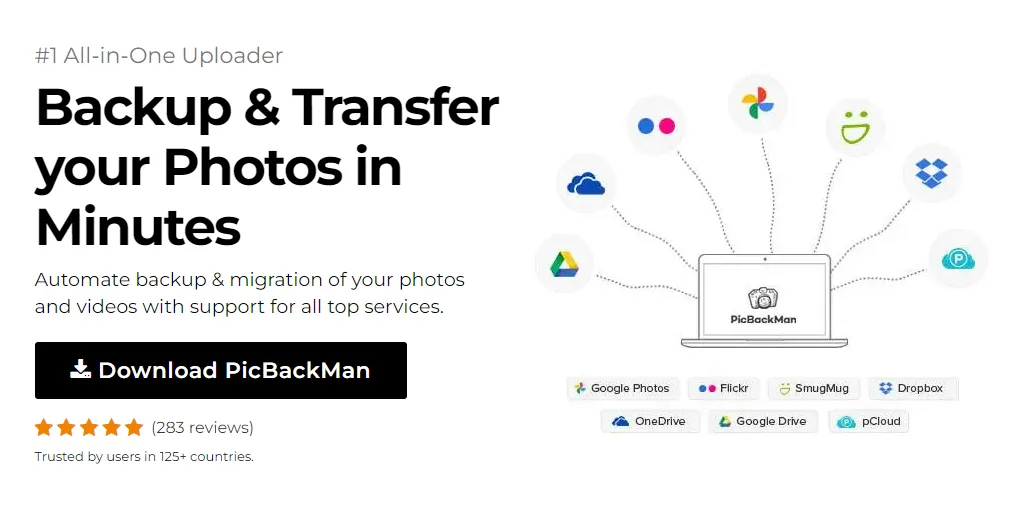
Simply download PicBackMan (it's free!) , register your account, connect to your online store and tell PicBackMan where your videos are - PicBackMan does the rest, automatically. It bulk uploads all videos and keeps looking for new ones and uploads those too. You don't have to ever touch it.
Conclusion
Saving links to Google Drive doesn't have to cost anything, and the benefits are significant. With these five free methods—Google Docs, Google Keep, Google Sheets, saving web pages as PDFs, and using text files—you can create a personalized system that works for your specific needs.
The best approach often combines multiple methods, using each for what it does best. Start with the simplest option that meets your needs, and you can always evolve your system as your link collection grows.
Remember that consistency is key. Whatever method you choose, stick with it and maintain your link organization regularly. With these free techniques, you'll never lose an important link again, and you'll have your digital resources at your fingertips whenever you need them.
Frequently Asked Questions
Can I access my saved links when I'm offline?
Yes, you can access your saved links offline if you enable offline access in Google Drive. For Google Docs, Sheets, and Keep, you'll need to mark specific files for offline access. PDFs and text files can be downloaded for offline use. Remember that while you can see the links offline, you'll need an internet connection to actually visit the websites.
Is there a limit to how many links I can save to Google Drive?
There's no specific limit to the number of links you can save, but Google Drive does have storage limits. The free version offers 15GB of storage shared across Google Drive, Gmail, and Google Photos. Since text-based links take up very little space, you can store thousands of links before approaching this limit. If you save many web pages as PDFs, however, you might use up your storage more quickly.
Can I share my collection of links with others?
Absolutely! All Google Drive files (Docs, Sheets, Keep notes, PDFs, and text files) can be shared with specific people or made public with a link. You can control whether others can view, comment on, or edit your link collections. This makes Google Drive an excellent tool for sharing research, resources, or curated content with teams, classmates, or friends.
What happens if a website I've linked to changes or disappears?
If you've only saved the link, you'll face the same issues as with any bookmark—the link might break or the content might change. This is why saving important web pages as PDFs is valuable for critical information. For frequently updated sites, consider noting the date when you saved the link or implementing a regular review process to check for changes or broken links.
Can I import my browser bookmarks into Google Drive?
While there's no direct import function, you can export bookmarks from your browser as an HTML file and then upload that file to Google Drive for storage or safekeeping. To use them in another browser, you would need to download the HTML file from Drive and import it into the desired browser.