Menu


Start Free $129 Lifetime
Why is it the #1 bulk uploader?
- Insanely fast!
- Maintains folder structure.
- 100% automated upload.
- Supports RAW files.
- Privacy default.
How can you get started?
Download PicBackMan and start free, then upgrade to annual or lifetime plan as per your needs. Join 100,000+ users who trust PicBackMan for keeping their precious memories safe in multiple online accounts.
Trusted by users in 125+ countries.
“Your pictures are scattered. PicBackMan helps you bring order to your digital memories.”

Cloud Storage Comparison: OneDrive, Dropbox, Google Drive and Box

Choosing the right cloud storage solution can be challenging with so many options available. Whether you're looking to store personal photos, share work documents, or collaborate with team members, understanding the differences between major platforms is essential. In this comprehensive guide, we'll compare OneDrive, Dropbox, Google Drive, and Box to help you make an informed decision about which service best fits your needs.
What Is Cloud Storage and Why Do You Need It?
Cloud storage allows you to save files online instead of on your physical device. This means you can access your documents, photos, and videos from anywhere with an internet connection. Beyond simple storage, modern cloud services offer features like file sharing, real-time collaboration, and automatic syncing across devices.
The benefits of using cloud storage include:
- Access your files from any device, anywhere
- Protection against hardware failures or device theft
- Easy file sharing and collaboration
- Reduced need for physical storage devices
- Automatic backup of important documents
OneDrive: Microsoft's Integrated Solution
Overview and Key Features
Microsoft OneDrive comes built into Windows and integrates seamlessly with Office applications. If you're already in the Microsoft ecosystem, OneDrive offers a natural extension to your workflow.
OneDrive shines with its deep integration with Office apps and Windows. You can edit Office documents directly in your browser and collaborate in real-time. The service also includes features like automatic photo organization and Personal Vault, which adds an extra layer of security for sensitive files.
Pricing and Storage Options
- Free tier: 5GB storage
- OneDrive Standalone: 100GB for $1.99/month
- Microsoft 365 Personal: 1TB for $6.99/month (includes Office apps)
- Microsoft 365 Family: 6TB total (1TB per user) for $9.99/month
- Business plans start at $5/user/month with 1TB per user
Pros of OneDrive
- Excellent Office integration
- Built into Windows 10 and 11
- Competitive pricing when bundled with Microsoft 365
- Strong security features including Personal Vault
- Clean, user-friendly interface
Cons of OneDrive
- Limited free storage compared to competitors
- Not as feature-rich for non-Microsoft file types
- Less intuitive on non-Windows platforms
- File size limitations for web uploads (250GB max)
Dropbox: The Original Cloud Storage Pioneer
Overview and Key Features
Dropbox was one of the first major cloud storage services and remains popular for its reliability and simplicity. The platform is known for its fast sync speeds and cross-platform consistency.
Dropbox offers features like Dropbox Paper for collaborative documents, Smart Sync to save space on your device, and Dropbox Transfer for sending large files. Its interface is clean and minimalist, making it easy to navigate even for beginners.
Pricing and Storage Options
- Free tier: 2GB storage
- Dropbox Plus: 2TB for $11.99/month
- Dropbox Family: 2TB shared storage for $19.99/month (up to 6 users)
- Dropbox Professional: 3TB for $19.99/month with additional features
- Business plans start at $15/user/month for 5TB
Pros of Dropbox
- Excellent sync technology and speed
- Consistent experience across all platforms
- Robust file version history (30 days for Basic, 180 days for paid plans)
- Strong third-party app integration
- Advanced sharing controls
Cons of Dropbox
- Very limited free storage (2GB)
- Higher pricing compared to competitors
- Less integrated with productivity suites
- Basic search functionality compared to Google Drive
Google Drive: Perfect for Google Workspace Users
Overview and Key Features
Google Drive is deeply integrated with Google's ecosystem, including Gmail, Google Docs, Sheets, and Slides. If you use Google services regularly, Drive provides a seamless experience.
Google Drive excels in collaboration features. Multiple users can edit documents simultaneously with changes appearing in real-time. The service also offers powerful search capabilities, allowing you to find files quickly even if you don't remember their exact names or locations.
Pricing and Storage Options
- Free tier: 15GB storage (shared across Google services)
- Google One 100GB: $1.99/month
- Google One 200GB: $2.99/month
- Google One 2TB: $9.99/month
- Google Workspace Business plans start at $6/user/month
Pros of Google Drive
- Generous free storage (15GB)
- Excellent collaboration tools
- Powerful search capabilities
- Built-in office suite (Docs, Sheets, Slides)
- Strong mobile apps for iOS and Android
Cons of Google Drive
- Free storage is shared with Gmail and Google Photos
- Privacy concerns for some users
- Desktop client not as robust as Dropbox
- Can become cluttered with many files
Box: Enterprise-Focused Security and Compliance
Overview and Key Features
Box targets business users with a focus on security, compliance, and enterprise content management. It's particularly popular in regulated industries such as healthcare, finance, and legal sectors.
Box offers advanced security features like granular permissions, detailed access tracking, and integration with data loss prevention tools. Box also provides Box Notes for collaborative documents and strong workflow automation capabilities.
Pricing and Storage Options
- Free tier: 10GB storage with 250MB file upload limit
- Personal Pro: 100GB for $10/month
- Business Starter: 100GB for $7/user/month (minimum 3 users)
- Business: Unlimited storage for $20/user/month
- Business Plus: Unlimited storage for $33/user/month with advanced features
- Enterprise: Custom pricing with comprehensive security features
Pros of Box
- Enterprise-grade security and compliance features
- Excellent permission controls and user management
- Strong API for developers
- Good version control
- Unlimited storage in business plans
Cons of Box
- Higher pricing for individual users
- Less intuitive for personal use
- Limited integration with consumer apps
- File size limits on lower levels
Head-to-Head Comparison: Key Features
Storage and Pricing Comparison
| Service | Free Storage | Entry Paid Tier | Mid-Range Option | Premium Option |
|---|---|---|---|---|
| OneDrive | 5GB | 100GB: $1.99/month | 1TB: $6.99/month (with Office) | 6TB: $9.99/month (Family) |
| Dropbox | 2GB | 2TB: $11.99/month | 2TB Family: $19.99/month | 3TB: $19.99/month (Professional) |
| Google Drive | 15GB | 100GB: $1.99/month | 200GB: $2.99/month | 2TB: $9.99/month |
| Box | 10GB | 100GB: $10/month | Unlimited: $20/user/month (Business) | Unlimited: $33/user/month (Business Plus) |
File Sharing and Collaboration
All four services offer file sharing capabilities, but with different strengths:
- OneDrive excels in Office document collaboration with real-time editing
- Dropbox offers simple, reliable sharing links and Dropbox Paper for collaboration
- Google Drive provides the most seamless real-time collaboration through Google Docs
- Box focuses on secure sharing with detailed permission controls and audit trails
Security Features
- OneDrive offers Personal Vault for extra-secure files, encryption at rest and in transit
- Dropbox provides 256-bit AES encryption, two-factor authentication, and remote device wipe
- Google Drive uses strong encryption and Google's security infrastructure with advanced phishing protection
- Box leads with enterprise security features including FedRAMP compliance, customer-managed encryption keys, and detailed access controls
File Sync and Performance
How quickly and efficiently each service syncs files can impact your workflow:
- OneDrive uses block-level sync for Office files only, meaning only changed portions of files are uploaded
- Dropbox pioneered block-level sync for all file types, generally resulting in the fastest sync speeds
- Google Drive syncs entire files rather than just changed blocks, which can be slower for large files
- Box offers reliable but sometimes slower sync compared to Dropbox, with good bandwidth management
Platform Support and Integration
| Service | Windows | macOS | iOS | Android | Linux | Key Integrations |
|---|---|---|---|---|---|---|
| OneDrive | Native | Good | Good | Good | Limited | Microsoft 365, Windows |
| Dropbox | Excellent | Excellent | Excellent | Excellent | Good | Wide third-party support |
| Google Drive | Good | Good | Excellent | Excellent | Limited | Google Workspace, Gmail |
| Box | Good | Good | Good | Good | Limited | Enterprise apps, Salesforce |
Use Case Scenarios: Which Cloud Storage Is Best For You?
For personal use
Best for Microsoft users: OneDrive is the clear choice if you're already using Windows and Office. The integration is seamless, and the Microsoft 365 bundle provides excellent value with 1TB of storage plus Office apps.
Best for Google users: Google Drive offers the most generous free tier (15GB) and integrates perfectly with Gmail and Google Photos. If you're already using Google services, Drive is the natural choice.
Best for cross-platform users: Dropbox provides the most consistent experience across different operating systems and devices. If you regularly switch between Windows, Mac, iOS, and Android, Dropbox might be worth the higher price.
For Small Businesses
Best for Microsoft-centric businesses: Microsoft 365 Business plans include OneDrive storage with excellent team collaboration features and the full Office suite.
Best for budget-conscious teams: Google Workspace offers competitive pricing with unlimited storage on Business Plus plans, along with Gmail, Meet, and other productivity tools.
Best for file-sharing focused teams: Dropbox Business provides reliable sync and sharing with an intuitive interface that requires minimal training for new users.
For Enterprise Organizations
Best for regulated industries: Box leads in compliance certifications and security features, making it ideal for healthcare, financial services, and government organizations.
Best for Microsoft-integrated enterprises: OneDrive for Business with SharePoint offers comprehensive document management with strong Microsoft ecosystem integration.
Best for Google Workspace organizations: Google Drive Enterprise provides unlimited storage with powerful search and AI capabilities built into the Google Workspace environment.
Performance and Reliability Comparison
Sync Speed and Efficiency
In terms of pure sync performance, Dropbox typically outperforms the other services thanks to its block-level sync technology that only uploads changed portions of files. This is particularly noticeable when working with large files.
OneDrive offers block-level sync, but only for Microsoft Office files. For other file types, it uploads the entire file when changes are made.
Google Drive and Box generally perform adequately for most users but may struggle more with very large files or folders containing many small files.
Reliability and Uptime
All four services maintain impressive uptime records, typically exceeding 99.9%. However, even brief outputs can impact workflow:
- Google Drive benefits from Google's massive infrastructure but occasionally experiences targeted feature outages
- OneDrive reliability has improved significantly in recent years
- Dropbox has a strong record of reliability with minimal service disruptions
- Box maintains enterprise-grade reliability with transparent status reporting
Mobile App Comparison
The mobile experience can be crucial depending on how you access your files:
OneDrive Mobile
- Clean interface with good integration with Office mobile apps
- Automatic photo backup with basic photo editing
- Offline access to selected files
- Scan documents directly to OneDrive
Dropbox Mobile
- Intuitive design with quick access to recent files
- Document scanning with OCR (Optical Character Recognition)
- Offline access to starred files
- Password manager integration in the mobile app
Google Drive Mobile
- Deep integration with other Google mobile apps
- Powerful search capabilities
- Offline access to selected files
- Scan documents with automatic OCR
Box Mobile
- Security-focused mobile experience
- Content preview for many file types
- Offline access to selected content
- Mobile security controls for enterprise users
Advanced Features Comparison
File Recovery and Version History
- OneDrive : 30-day version history and recycle bin
- Dropbox : 30-day version history on free plans, 180 days on paid plans
- Google Drive : 30-day version history, with options to keep versions indefinitely
- Box : 50 versions on Personal Pro, unlimited versions on Business plans
Search Capabilities
Google Drive predictably excels in search with its powerful algorithms that can even recognize text in images and PDFs. OneDrive offers good search with filtering options, while Dropbox and Box provide reliable but less advanced search functionality.
AI and Smart Features
- OneDrive : AI-powered photo search and automatic tagging
- Dropbox : Automated folder organization and content suggestions
- Google Drive : Smart suggestions, priority recommendations, and natural language search
- Box : Box Skills framework for custom AI integrations and intelligent content analysis
Privacy Considerations
Your choice of cloud storage provider may also depend on privacy concerns:
- OneDrive : Microsoft collects usage data but offers strong privacy controls. Data is used primarily for service improvement.
- Dropbox : Maintains a relatively straightforward privacy policy with options to limit data collection.
- Google Drive : Google's business model includes data collection for advertising, though Google Workspace business accounts have different terms.
- Box : Focuses on data privacy with minimal data collection, making it suitable for privacy-conscious organizations.
All four services comply with major regulations like GDPR, but Box and Microsoft offer the most comprehensive compliance certifications for specialized industries.
How to Choose the Right Cloud Storage Service
To select the best cloud storage option for your needs, consider these key factors:
1. Assess Your Storage Needs
Start by estimating how much storage you actually need. If you're storing mostly documents and spreadsheets, even 100GB might be plenty. For photo and video storage, you'll likely need 1TB or more.
2. Consider Your Ecosystem
If you're heavily invested in Microsoft, Google, or Apple products, choosing the matching cloud service offers the best integration. OneDrive works best with Windows and Office, Google Drive with Android and Chrome OS, and Dropbox offers the most platform-neutral experience.
3. Evaluate Collaboration Requirements
If you frequently collaborate on documents, Google Drive and OneDrive offer the strongest real-time editing capabilities. For simple file sharing, Dropbox provides a streamlined experience.
4. Assess Security Needs
For sensitive personal or business information, consider the security features of each platform. Box leads in security certifications, while all services offer encryption and two-factor authentication.
5. Consider Budget Constraints
Google Drive and OneDrive generally offer the best value for storage space. Dropbox is more expensive but provides excellent sync technology. Box targets business users with pricing to match its enterprise features.
Quick Tip to ensure your videos never go missing
Videos are precious memories and all of us never want to lose them to hard disk crashes or missing drives. PicBackMan is the easiest and simplest way to keep your videos safely backed up in one or more online accounts.
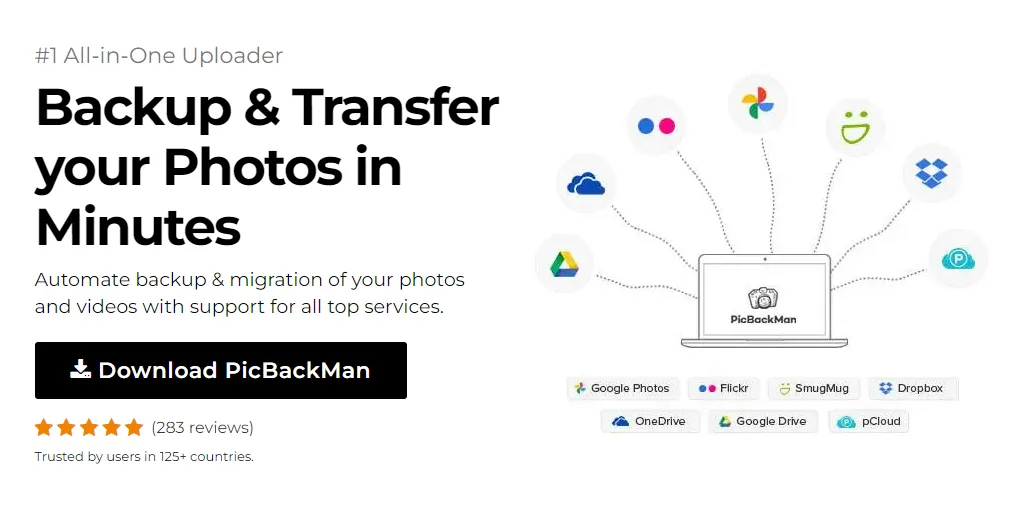
Simply download PicBackMan (it's free!) , register your account, connect to your online store and tell PicBackMan where your videos are - PicBackMan does the rest, automatically. It bulk uploads all videos and keeps looking for new ones and uploads those too. You don't have to ever touch it.
Conclusion
After comparing OneDrive, Dropbox, Google Drive, and Box across multiple factors, it's clear that each service has distinct strengths and weaknesses. Your ideal cloud storage solution depends on your specific needs, existing technology ecosystem, and budget.
OneDrive makes the most sense for Microsoft users, offering seamless Office integration and good value when bundled with Microsoft 365. Google Drive provides the most generous free storage and excellent collaboration tools, particularly for those already using Google services. Dropbox continues to excel in sync reliability and cross-platform consistency, though at a higher price point. Box stands out for enterprise security and compliance features, making it ideal for businesses in regulated industries.
Many users find that combining services works best—perhaps using Google Drive for collaboration, OneDrive for Office documents, and Dropbox for cross-platform file access. Whatever your choice, cloud storage has become an essential tool for protecting your data and enabling productivity across devices and locations.
FAQs About Cloud Storage Services
1. Can I use multiple cloud storage services together?
Yes, many users maintain accounts with several cloud services to take advantage of different features or to maximize free storage. There are also third-party tools like MultCloud or odrive that can help you manage multiple cloud accounts from one interface.
2. What happens to my files if I stop paying for cloud storage?
Policies vary by provider. Typically, if you exceed your storage limit after downgrading, you won't be able to add new files, but your existing files remain accessible for a grace period. After this period (usually 30-90 days), providers may delete excess data or restrict access until you reduce usage or upgrade your plan.
3. Are my files really safe in the cloud?
Major cloud storage providers use strong encryption and security measures to protect your data. The risk of data loss due to server failure is extremely low with reputable services. However, account security depends partly on you—always use strong passwords and two-factor authentication to prevent unauthorized access.
4. Can I access my cloud files without an internet connection?
All four services offer selective offline access, allowing you to mark specific files or folders for offline availability. These files will sync when you're online and remain accessible when you're not. The desktop applications for each service manage