Start Free $129 Lifetime
Why is it the #1 bulk uploader?
- Insanely fast!
- Maintains folder structure.
- 100% automated upload.
- Supports RAW files.
- Privacy default.
How can you get started?
Download PicBackMan and start free, then upgrade to annual or lifetime plan as per your needs. Join 100,000+ users who trust PicBackMan for keeping their precious memories safe in multiple online accounts.
“Your pictures are scattered. PicBackMan helps you bring order to your digital memories.”

4 Ways - How to Share from Google Drive to Dropbox Without Downloading

Transferring files between cloud storage platforms can be a hassle, especially when you need to move content from Google Drive to Dropbox without cluttering your device with downloads. Whether you're collaborating on projects, organizing digital assets, or simply consolidating your files, there's no need to download everything to your computer first.
In this guide, I'll walk you through four practical methods to share files from Google Drive to Dropbox directly. These approaches will save you time, storage space, and the headache of managing temporary downloads.
Why Transfer Files Between Cloud Services?
Before diving into the methods, let's quickly look at why you might need to move files between Google Drive and Dropbox:
- Working with clients or teams who use different cloud platforms
- Organizing personal and work files across separate services
- Creating backups of important documents
- Switching from one cloud service to another
- Sharing files with people who prefer a specific platform
Now, let's explore the four most efficient ways to transfer your files without downloading them first.
Method 1: Using MultCloud for Direct Cloud Transfers
MultCloud is a cloud transfer service specifically designed to move files between different cloud storage platforms without downloading them to your device first. This web-based tool acts as an intermediary that connects your cloud accounts.
Step-by-Step Guide to Using MultCloud
- Create a MultCloud account - Visit the MultCloud website and sign up for a free account
- Add your cloud accounts - Connect both your Google Drive and Dropbox accounts to MultCloud
- Navigate to the "Cloud Transfer" feature - This tool allows for direct transfers between platforms
- Select source and destination - Choose Google Drive as your source and Dropbox as your destination
- Choose files to transfer - Select specific files/folders or transfer everything
- Start the transfer - Click the "Transfer Now" button to begin
Benefits of Using MultCloud
- Transfers files directly between clouds without using your device's bandwidth
- Supports scheduled transfers for regular backups
- Allows filtering by file type
- Can handle large files and bulk transfers efficiently
- Works even when your computer is turned off (for the paid version)
Limitations of MultCloud
- Free version limits data traffic to 5GB per month
- Some advanced features require a subscription
- Transfer speeds may vary depending on server load
Method 2: Using the Zapier Automation Platform
Zapier is an automation tool that can connect your apps and services, including cloud storage platforms. It allows you to create "Zaps" that automatically transfer files between Google Drive and Dropbox without manual intervention.
Creating a Google Drive to Dropbox Zap
- Sign up for Zapier - Create an account or log in if you already have one
- Create a new Zap - Click "Create Zap" to begin setting up your automation
- Choose Google Drive as the trigger app - Select a trigger such as "New File in Folder"
- Connect your Google Drive account - Authorize Zapier to access your Google Drive
- Set up the trigger details - Specify which folder to monitor for new files
- Choose Dropbox as the action app - This is where your files will be sent
- Connect your Dropbox account - Authorize Zapier to access your Dropbox
- Configure the action - Set up where files should be saved in Dropbox
- Test and activate your Zap - Make sure everything works, then turn it on
When Zapier Works Best
- For automated, ongoing transfers of new files
- When you regularly need to share specific types of files
- For setting up workflows that involve other apps besides just cloud storage
- When you need conditional logic for your transfers
Zapier Limitations
- Free plan limited to 100 tasks per month and simple one-step Zaps
- Not ideal for one-time bulk transfers of existing files
- 5-minute minimum delay between trigger and action
- File size restrictions on the free plan
Method 3: Using the rclone Command Line Tool
For those comfortable with command-line interfaces, rclone offers a powerful and free solution for transferring files between cloud services without intermediate downloads.
Setting Up rclone for Cloud Transfers
- Install rclone - Download and install from the rclone website for your operating system
- Open your command line interface - Terminal for Mac/Linux or Command Prompt/PowerShell for Windows
- Configure Google Drive - Run
rclone configand follow prompts to add your Google Drive - Configure Dropbox - Add your Dropbox account using the same configuration tool
- Transfer files directly - Use the command:
rclone copy "google-drive:folder-name" "dropbox:destination-folder"
Advanced rclone Features
- Bandwidth limiting to prevent network congestion
- Sync options to keep folders identical across platforms
- Filtering to include or exclude certain file types
- Encryption for sensitive data transfers
- Detailed logging for troubleshooting
Who Should Use rclone
This method is ideal for:
- Technical users comfortable with command-line tools
- Those who need to transfer large amounts of data
- Users who want a free solution with no transfer limits
- People who need to script or automate complex transfer scenarios
Method 4: Using the Google Drive API with Dropbox API
For developers or those willing to use code-based solutions, connecting the Google Drive API directly to the Dropbox API offers the most customizable approach to transferring files without downloading them first.
Basic Implementation Steps
- Create developer accounts - Sign up for both Google Cloud Platform and Dropbox Developer
- Create a project in Google Cloud - Enable the Google Drive API
- Create an app in Dropbox Developer Console - Get your API credentials
- Choose a programming language - Python is popular for this type of integration
- Install necessary libraries - Such as google-api-python-client and dropbox SDK
- Write code to authenticate with both services - Using OAuth 2.0
- Implement file transfer logic - Fetch from Google Drive and upload to Dropbox using streams
- Run your program - Execute the code to transfer your files
Example Python Code Structure
While the full code would be too extensive to include here, this simplified structure shows the main components:
```python
# Import necessary libraries
from google.oauth2 import service_account
from googleapiclient.discovery import build
from googleapiclient.http import MediaIoBaseDownload
import dropbox
import io

# Authenticate with Google Drive
# [Authentication code here]

# Authenticate with Dropbox
# [Authentication code here]

# Function to transfer a file
def transfer_file(drive_service, dbx, file_id, dropbox_path):
    # Get file metadata from Google Drive
    file_metadata = drive_service.files().get(fileId=file_id).execute()

    # Create a BytesIO object for temporary storage
    file_content = io.BytesIO()

    # Download the file to memory (not to disk)
    request = drive_service.files().get_media(fileId=file_id)
    downloader = MediaIoBaseDownload(file_content, request)

    done = False
    while not done:
        status, done = downloader.next_chunk()

    # Reset the pointer to the beginning of the BytesIO object
    file_content.seek(0)

    # Upload to Dropbox
    dbx.files_upload(file_content.read(), dropbox_path)

    return file_metadata['name']

# Main execution
# [Code to call transfer_file for each file you want to transfer]
```
Advantages of the API Approach
- Complete customization of the transfer process
- No third-party service dependencies
- Can be integrated into larger applications or workflows
- No file size limitations beyond those of the services themselves
- Can implement advanced features like checksums for verification
Challenges of the API Approach
- Requires programming knowledge
- More complex setup process
- Need to handle API rate limits and quotas
- Requires maintaining the code for updates to either API
Comparison of All Methods
| Feature | MultCloud | Zapier | rclone | API Integration |
|---|---|---|---|---|
| Ease of Use | High | Medium | Low | Very Low |
| Technical Skill Required | None | Basic | Intermediate | Advanced |
| Cost | Free tier + Paid plans | Free tier + Paid plans | Free | Free (API usage limits may apply) |
| Transfer Limits | 5GB/month (free) | 100 tasks/month (free) | None | API quotas only |
| Automation Capability | Yes | Excellent | Via scripts | Fully customizable |
| Best For | Casual users | Ongoing transfers | Power users | Developers |
Tips for Successful Cloud-to-Cloud Transfers
Handling Large Files
When transferring large files between cloud services, keep these points in mind:
- Check the file size limits for both platforms
- Consider splitting very large files if necessary
- Allow plenty of time for large transfers to complete
- Use services with resumable transfers in case of interruptions
Managing Folder Structures
To maintain organization during transfers:
- Plan your folder structure in Dropbox before transferring
- Consider whether you want to recreate the exact Google Drive structure
- Check if special characters in folder names might cause issues
- Document your folder organization for reference
Dealing with File Format Compatibility
While most file formats work across platforms, be aware of these considerations:
- Google Docs, Sheets, and Slides need to be exported to Office formats
- Some Google-specific features may not translate perfectly
- Check if file permissions and sharing settings transfer properly
Security Considerations
When moving files between cloud platforms:
- Review the security policies of any third-party transfer services
- Consider encrypting sensitive files before transfer
- Check that you're not accidentally making private files public
- Revoke access permissions for transfer tools when finished
Quick Tip to ensure your videos never go missing
Videos are precious memories and all of us never want to lose them to hard disk crashes or missing drives. PicBackMan is the easiest and simplest way to keep your videos safely backed up in one or more online accounts.
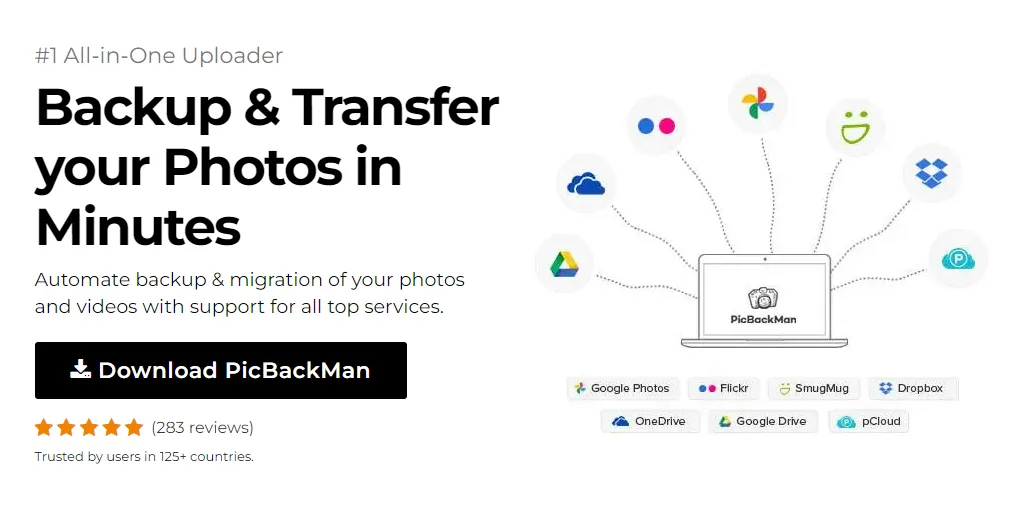
Simply download PicBackMan (it's free!), register your account, connect to your online store and tell PicBackMan where your videos are - PicBackMan does the rest, automatically. It bulk uploads all videos and keeps looking for new ones and uploads those too. You don't have to ever touch it.
Troubleshooting Common Issues
Transfer Failures
If your transfer stops or fails:
- Check your internet connection stability
- Verify that neither cloud service is experiencing downtime
- Ensure you haven't exceeded storage limits on Dropbox
- Look for error messages that might explain the issue
- Try transferring smaller batches of files
Missing Files After Transfer
If some files don't appear after transfer:
- Check if there were any skipped files in transfer logs
- Verify file name compatibility (some characters may be invalid)
- Ensure files weren't filtered out by transfer settings
- Look in the root directory or trash of Dropbox
Permission Issues
When encountering permission problems:
- Verify that your access tokens haven't expired
- Check that you have sufficient permissions on both platforms
- Re-authenticate with both services if necessary
- Ensure you're not trying to modify read-only files
Conclusion
Transferring files from Google Drive to Dropbox without downloading them first is entirely possible using the four methods outlined in this guide. The best approach depends on your technical comfort level, the volume of files you need to transfer, and whether you need ongoing automation or just a one-time move.
MultCloud offers the most user-friendly experience for casual users, while Zapier excels at creating automated workflows. For those comfortable with technical tools, rclone provides a powerful and free command-line solution. Developers and those needing complete customization can leverage the direct API approach.
By using these methods, you can save time, bandwidth, and storage space while keeping your files organized across different cloud platforms. Choose the approach that best fits your needs and enjoy seamless file transfers between Google Drive and Dropbox.
Frequently Asked Questions
Can I transfer Google Docs to Dropbox without converting them?
No, Google Docs, Sheets, and Slides use proprietary formats that must be converted to standard file types (like DOCX, XLSX, or PDF) before they can be properly stored and viewed in Dropbox. All the transfer methods mentioned will handle this conversion for you, but be aware that some formatting or features specific to Google's ecosystem might not transfer perfectly.
Is there a limit to how many files I can transfer between Google Drive and Dropbox?
The limits depend on which method you use. MultCloud and Zapier have free tiers with monthly transfer limits (5GB and 100 tasks respectively). Rclone and API integration have no inherent file count limits, but might be affected by API rate limits from Google and Dropbox. For large transfers (thousands of files), rclone or a custom API solution typically works best.
Will file sharing permissions transfer from Google Drive to Dropbox?
No, sharing permissions don't transfer between platforms. After moving files to Dropbox, you'll need to set up sharing permissions again. The file ownership will transfer to your Dropbox account, but any collaborative access settings from Google Drive won't carry over automatically.
How long does it typically take to transfer files between cloud services?
Transfer time depends on several factors: file size, number of files, current server load, and the method you're using. Small transfers (under 1GB) might complete in minutes, while large transfers (50GB+) could take hours or even days. Services like MultCloud process transfers on their servers, so you don't need to keep your computer running during the transfer.
Can I schedule recurring transfers from Google Drive to Dropbox?
Yes, both MultCloud (paid plans) and Zapier offer scheduling features. With MultCloud, you can set up transfers to run daily, weekly, or monthly. Zapier allows you to create automated workflows that trigger based on new files appearing in Google Drive. For rclone, you can create scheduled tasks using your operating system's task scheduler (Cron for Linux/Mac or Task Scheduler for Windows).