Menu


Start Free $129 Lifetime
Why is it the #1 bulk uploader?
- Insanely fast!
- Maintains folder structure.
- 100% automated upload.
- Supports RAW files.
- Privacy default.
How can you get started?
Download PicBackMan and start free, then upgrade to annual or lifetime plan as per your needs. Join 100,000+ users who trust PicBackMan for keeping their precious memories safe in multiple online accounts.
Trusted by users in 125+ countries.
“Your pictures are scattered. PicBackMan helps you bring order to your digital memories.”

4 Free Ways - Google Drive Share with iCloud Effortlessly

Sharing files between Google Drive and iCloud doesn't have to be complicated or expensive. If you're caught between these two cloud storage systems, you're not alone. Many of us use Google Drive for work and iCloud for our Apple devices, creating a digital divide that can be frustrating to bridge.
In this guide, I'll walk you through four completely free methods to share files between Google Drive and iCloud seamlessly. These solutions work regardless of which devices you're using, and you won't need to download any third-party apps that might compromise your data security.
Let's dive into these practical solutions that will save you time and eliminate the headache of juggling between cloud storage platforms.
Method 1: Direct Download and Upload
The most straightforward approach to sharing files between Google Drive and iCloud is the classic download-upload method. While it might seem basic, it's reliable and doesn't require any special tools or permissions.
Step-by-Step Guide for Direct Transfer
From Google Drive to iCloud:
- Sign in to your Google Drive account through a web browser
- Select the files or folders you want to transfer
- Right-click and select "Download" (files will download as a ZIP file if you selected multiple items)
- Extract the ZIP file if necessary
- Open iCloud Drive through a web browser or the app on your device
- Drag and drop the downloaded files into iCloud Drive
- Wait for the upload to complete
From iCloud to Google Drive:
- Log in to iCloud.com or open the iCloud Drive app
- Select the files you wish to transfer
- Download them to your local device
- Open Google Drive in your web browser
- Click "New" and then "File upload" or simply drag and drop the files
- Wait for the upload to finish
This method works perfectly for occasional transfers or smaller files. However, for larger files or frequent transfers, you might want to consider the other methods below that offer more automation.
Pros and Cons of Direct Transfer
| Pros | Cons |
|---|---|
| No third-party apps needed | Time-consuming for multiple files |
| Complete control over what gets transferred | Manual process |
| Works on any device with a browser | Not suitable for large files with slow internet |
| No risk of unexpected syncing issues | Requires storage space on your device during transfer |
Method 2: Using Email as a Bridge
Email remains one of the most universal ways to share files across different platforms. This method is particularly useful for smaller files that need to be transferred quickly without downloading them to your device first.
How to Use Email for Cloud-to-Cloud Transfers
Steps for Google Drive to iCloud Transfer:
- Open Google Drive and locate the file you want to share
- Right-click on the file and select "Share"
- Click "Copy link" to get a shareable link
- Open your email (Gmail works seamlessly with this)
- Send an email to yourself with the link in the body
- Open the email on your Apple device
- Click the link, download the file
- Save it to iCloud Drive
Steps for iCloud to Google Drive Transfer:
- Open iCloud Drive and select your file
- Use the share option (usually the box with an arrow)
- Choose "Mail" to create a new email with the file attached
- Send it to yourself
- Open the email on any device where you can access Google Drive
- Download the attachment
- Upload it to Google Drive
For files under 25MB, you can attach them directly to emails. For larger files, sharing links is the more efficient approach.
File Size Limitations and Workarounds
Most email services have attachment limits:
- Gmail: 25MB per email
- iCloud Mail: 20MB per email
- Outlook: 20MB per email
For files exceeding these limits, you can:
- Break the file into smaller parts using file compression tools
- Use Google Drive or iCloud links instead of attachments
- Consider the other methods in this article for larger files
Method 3: Sync Through Desktop Applications
If you regularly need to share files between Google Drive and iCloud, setting up both desktop applications can create a seamless bridge between the two services.
Setting Up Google Drive and iCloud on Your Computer
For Windows Users:
- Download and install Google Drive for desktop from the official website
- Download and install iCloud for Windows from the Microsoft Store or Apple's website
- Sign in to both applications with your credentials
- Choose which folders to sync to your computer
For Mac Users:
- Download and install Google Drive for desktop
- iCloud Drive is already integrated into macOS (enable it in System Preferences if not already active)
- Sign in to Google Drive with your Google account
- Make sure iCloud Drive is enabled and syncing
Creating a Bridge Folder for Seamless Transfers
Once both cloud services are syncing to your computer, you can create a special bridge folder to make transfers even easier:
- Create a new folder on your desktop or in an easily accessible location
- Name it something recognizable like "Cloud Bridge" or "Drive to iCloud"
- When you need to transfer files:
- Copy files from your Google Drive folder to this bridge folder
- Then copy them from the bridge folder to your iCloud Drive folder
- Or vice versa for iCloud to Google Drive transfers
This method creates a local staging area that both cloud services can access, making transfers much more streamlined than downloading and uploading through web interfaces.
Automating Transfers with Scripts (for Advanced Users)
If you're comfortable with basic scripting, you can automate the transfer process:
For Windows Users:
Create a simple batch file (.bat) that copies files between your Google Drive and iCloud folders:
@echo off
xcopy "C:UsersYourUsernameGoogle DriveTransferFolder*.*" "C:UsersYourUsernameiCloudDriveTransferFolder" /s /e /y
echo Files transferred successfully!
pause
For Mac Users:
Use Automator or create a simple shell script:
#!/bin/bash
cp -R ~/Google Drive/TransferFolder/* ~/Library/Mobile Documents/com~apple~CloudDocs/TransferFolder/
echo "Transfer complete!"
You can schedule these scripts to run automatically using Task Scheduler (Windows) or Cron jobs (Mac) for completely hands-free transfers.
Method 4: Web-Based File Transfer Services
If you don't want to install desktop applications or deal with email attachments, web-based file transfer services can provide a convenient middle ground.
Free Services That Work with Both Platforms
Several free services can act as intermediaries between Google Drive and iCloud:
1. WeTransfer (Free Tier)
- Allows up to 2GB of file transfers in the free version
- No account required
- Files stay available for 7 days
- Steps:
- Download from one cloud service
- Upload to WeTransfer
- Send the link to yourself
- Download on another device and upload to the other cloud service
2. Dropbox Basic (Free Tier)
- Offers 2GB of free storage
- Has desktop and mobile apps for easy access
- Can be used as a permanent bridge between services
- Steps:
- Create a free Dropbox account
- Download files from Google Drive
- Upload to Dropbox
- Access Dropbox from your Apple device
- Download and save to iCloud
3. MEGA (Free Tier)
- Generous 20GB free storage
- End-to-end encryption for security
- Available on all platforms
- Works similarly to Dropbox as an intermediate storage solution
Security Considerations for Third-Party Services
When using third-party services, keep these security tips in mind:
- Avoid transferring sensitive or confidential information
- Check the privacy policy of any service you use
- Use services with encryption when possible
- Delete your files from the transfer service once they're safely in your destination cloud storage
- Consider creating a separate email address just for file transfer notifications
Comparison of Web Transfer Services
| Service | Free Storage | File Size Limit | Expiry Period | Account Required |
|---|---|---|---|---|
| WeTransfer | N/A (transfer only) | 2GB | 7 days | No |
| Dropbox Basic | 2GB | Unlimited (within storage) | Never (until deleted) | Yes |
| MEGA | 20GB | Unlimited (within storage) | Never (until deleted) | Yes |
Tips for Efficient Cross-Platform Cloud Sharing
No matter which method you choose, these tips will help make your Google Drive to iCloud transfers smoother and more efficient.
Organizing Files for Easy Transfer
- Create dedicated transfer folders in both cloud services
- Use consistent naming conventions across platforms
- Group similar files together before transferring
- Consider organizing by project or date for easier tracking
- Clean up your files regularly to avoid transferring unnecessary data
Handling Different File Types
Different file types may behave differently when transferred between platforms:
- Text documents: Convert Google Docs to Microsoft Word or PDF before transferring to iCloud
- Spreadsheets: Export Google Sheets as Excel files for best compatibility
- Presentations: Save Google Slides as PowerPoint files before moving to iCloud
- Photos: Both platforms support common formats like JPEG and PNG without issues
- Videos: Check file format compatibility; MP4 works well across platforms
Maintaining Version Control
When working with files across multiple cloud platforms, version control becomes crucial:
- Add date stamps to filenames (e.g., "Report_2023-05-15.docx")
- Keep a log of which versions exist where
- Consider using a naming system like v1, v2, etc.
- Delete outdated versions to avoid confusion
- If possible, work primarily from one cloud service and use the other for backup/access only
Troubleshooting Common Issues
Even with these straightforward methods, you might encounter some challenges. Here's how to address the most common problems:
Fixing Sync Errors
If you're having trouble syncing files between platforms:
- Check your internet connection - unstable connections can interrupt transfers
- Verify you have enough storage space in both cloud services
- Restart the desktop applications if they seem stuck
- Try transferring smaller batches of files if large transfers fail
- Clear cache in your browser if using web interfaces
- Make sure your cloud apps are updated to the latest versions
Dealing with File Format Compatibility
Format issues can sometimes cause problems:
- If files appear corrupted after transfer, try using a different file format
- For Google Docs, Sheets, or Slides, export to Microsoft Office formats or PDF before transferring
- Check if special characters in filenames are causing issues (stick to letters, numbers, and simple punctuation)
- Some Apple-specific formats (like Pages documents) may need to be exported to more universal formats before transferring to Google Drive
Resolving Permission Problems
Sometimes permission settings can interfere with transfers:
- Make sure you're signed in to both accounts
- Check if the file is shared with restrictions that prevent downloading
- Verify you have edit/download permissions for the files you're trying to transfer
- If using shared folders, confirm that download permissions are enabled
- Try making a copy of the file first, which will give you full ownership rights
Quick Tip to ensure your videos never go missing
Videos are precious memories and all of us never want to lose them to hard disk crashes or missing drives. PicBackMan is the easiest and simplest way to keep your videos safely backed up in one or more online accounts.
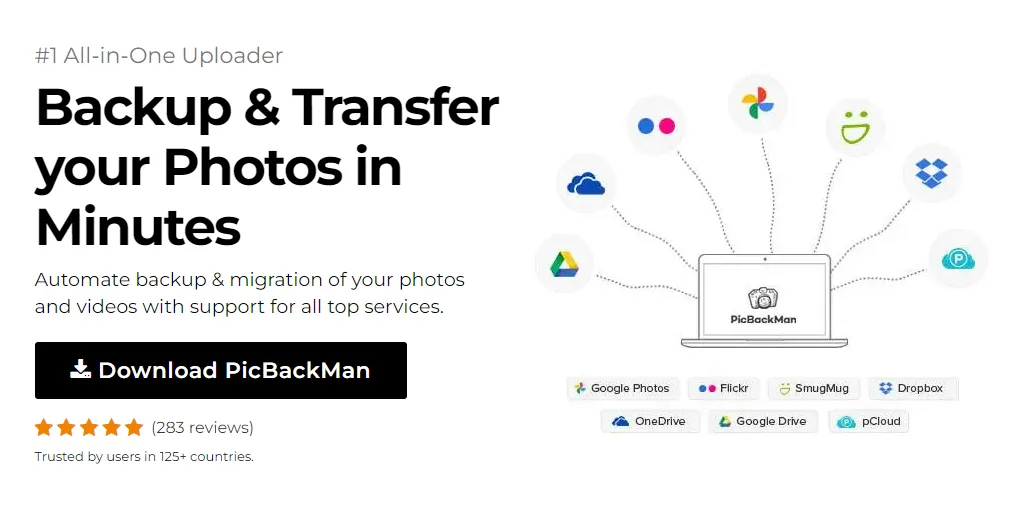
Simply download PicBackMan (it's free!), register your account, connect to your online store and tell PicBackMan where your videos are - PicBackMan does the rest, automatically. It bulk uploads all videos and keeps looking for new ones and uploads those too. You don't have to ever touch it.
Conclusion
Moving files between Google Drive and iCloud doesn't have to cost you anything or cause technical headaches. The four methods I've shared give you options based on your specific needs—whether you're looking for a quick one-time transfer or setting up a system for regular file sharing between platforms.
The direct download-upload method offers simplicity for occasional transfers. Email bridges work great for smaller files and quick shares. Desktop applications provide a more seamless experience for regular transfers. And web-based transfer services offer a good middle ground without requiring local installations.
By following the tips for organization, file type handling, and troubleshooting, you can create a smooth workflow between these two popular cloud storage systems. This allows you to enjoy the benefits of both platforms without the frustration of digital disconnection.
Remember that the best method depends on your specific needs, the types of files you're transferring, and how frequently you need to move data between platforms. Feel free to mix and match these approaches to create a system that works perfectly for your situation.
Frequently Asked Questions
Can I automatically sync Google Drive and iCloud without manual transfers?
There's no built-in way to automatically sync Google Drive and iCloud directly. However, you can set up a semi-automated system using desktop applications for both services and create scripts that regularly copy files between the synced folders on your computer. This creates an indirect sync that runs in the background.
Will file quality be affected when transferring between Google Drive and iCloud?
No, transferring files between Google Drive and iCloud doesn't affect file quality as long as you're transferring the original files rather than creating new versions. The only exception is when you're working with Google's native formats (Docs, Sheets, Slides) which need to be exported to standard formats like DOCX or PDF before transferring to maintain full compatibility.
How can I transfer an entire Google Drive folder structure to iCloud?
The most efficient way to transfer an entire folder structure is to use the desktop applications for both services. Install Google Drive and iCloud Drive on your computer, let them sync, then copy the entire folder structure from your Google Drive folder to your iCloud Drive folder. This preserves all subfolders and organization exactly as it was in the original.
Is there a limit to how much data I can transfer between these services?
The only limits are the storage limits of your Google Drive and iCloud accounts themselves. The transfer methods don't impose additional limits, though your internet connection speed will affect how quickly large transfers complete. If you're transferring many gigabytes of data, using the desktop application method is recommended as it's more reliable for large transfers.
Can I schedule regular transfers between Google Drive and iCloud?
Yes, you can schedule regular transfers by setting up both desktop applications and creating automated scripts that run on a schedule. On Windows, you can use Task Scheduler to run a batch file that copies files between folders at set times. On Mac, you can create an Automator workflow or shell script and schedule it with Cron jobs. This creates a hands-off solution for regular transfers.