Menu


Start Free $129 Lifetime
Why is it the #1 bulk uploader?
- Insanely fast!
- Maintains folder structure.
- 100% automated upload.
- Supports RAW files.
- Privacy default.
How can you get started?
Download PicBackMan and start free, then upgrade to annual or lifetime plan as per your needs. Join 100,000+ users who trust PicBackMan for keeping their precious memories safe in multiple online accounts.
Trusted by users in 125+ countries.
“Your pictures are scattered. PicBackMan helps you bring order to your digital memories.”

Merge Google Photos And iCloud Together in 2 Quick Ways

Managing photos across different cloud services can be a headache. If you use both Google Photos and iCloud, you might find yourself constantly switching between apps or running out of storage on one service while having plenty on the other. The good news is that you can merge these services to create a unified photo library that's accessible from all your devices.
In this guide, I'll show you two straightforward methods to combine Google Photos and iCloud, helping you organize your precious memories without the hassle of managing multiple platforms.
Why Merge Google Photos and iCloud?
Before diving into the "how," let's quickly look at why you might want to merge these services:
- Access all your photos in one place
- Make better use of your available storage across services
- Ensure your photos are backed up in multiple locations
- Simplify sharing photos with friends and family
- Reduce the time spent switching between apps
Method 1: Download and Upload - The Manual Approach
The first method involves manually downloading photos from one service and uploading them to the other. While this requires some time and effort, it gives you complete control over which photos get transferred.
Option A: Moving Photos from iCloud to Google Photos
Step 1: Download Photos from iCloud
Start by downloading your photos from iCloud to your computer:
- Go to iCloud.com and sign in with your Apple ID
- Click on "Photos" to access your iCloud photo library
- Select the photos you want to transfer (hold Ctrl/Cmd to select multiple photos)
- Click the download icon (cloud with arrow) in the top menu
For large collections, you might want to work in batches of 500-1000 photos to avoid overwhelming your browser. Create folders on your computer to organize these batches logically.
Step 2: Upload Photos to Google Photos
Now that you have your iCloud photos on your computer, it's time to upload them to Google Photos:
- Go to photos.google.com and sign in with your Google account
- Click "Upload" in the top-right corner
- Select "Computer" and browse to locate your downloaded photos
- Select the photos and click "Open" to begin uploading
The upload speed will depend on your internet connection and the number of photos. Google Photos will automatically organize them by date taken, assuming the metadata is intact.
Option B: Moving Photos from Google Photos to iCloud
Step 1: Download Photos from Google Photos
To transfer your photos from Google Photos to iCloud:
- Visit photos.google.com and log in
- Select the photos you want to transfer
- Click the three dots menu in the top-right corner
- Select "Download" from the dropdown menu
Google will create a ZIP file containing your selected photos. Once downloaded, extract this file to a folder on your computer.
Step 2: Upload Photos to iCloud
With your Google Photos now on your computer, upload them to iCloud:
- If you're on a Mac, open the Photos app and import the downloaded photos
- If you're on Windows, install and open iCloud for Windows
- Enable "Photos" in iCloud for Windows and click "Options"
- Check "Upload new photos and videos from my PC" and click "Done"
- Copy your photos to the iCloud Photos upload folder
Your photos will start uploading to iCloud automatically. This process may take some time depending on your internet connection and the number of photos.
Method 2: Using Google Takeout and iCloud Photos - The Bulk Approach
If you have thousands of photos to transfer, the manual method might be too time-consuming. Here's a more efficient approach for bulk transfers:
Moving from Google Photos to iCloud in Bulk
Step 1: Use Google Takeout to Export Your Photos
- Go to Google Takeout
- Deselect all services except Google Photos
- Click on "All photo albums included" to customize which albums to export
- Scroll down and click "Next step"
- Choose your delivery method (export frequency, file type, and size)
- Click "Create export"
Google will prepare your export, which could take hours or even days for large libraries. You'll receive an email with a download link when it's ready.
Step 2: Upload the Exported Photos to iCloud
Once you've downloaded and extracted your Google Takeout files:
- For Mac users: Open the Photos app, select File > Import, and navigate to your extracted Takeout folders
- For Windows users: Use iCloud for Windows, enable Photos syncing, and copy the files to the upload folder
The upload process will begin automatically, though it may take considerable time for large collections.
Moving from iCloud to Google Photos in Bulk
Step 1: Download Your iCloud Photo Library
For Mac users, the process is straightforward:
- Open the Photos app on your Mac
- Select the photos you want to export (or press Cmd+A to select all)
- Go to File > Export > Export Unmodified Original
- Choose a destination folder and click "Export"
For Windows users:
- Install iCloud for Windows from the Microsoft Store
- Sign in with your Apple ID and enable Photos
- Select "Download new photos and videos to my PC"
- Your photos will download to a folder on your PC
Step 2: Upload to Google Photos Using the Desktop Uploader
For the most efficient upload to Google Photos:
- Download and install the Google Photos Backup and Sync tool (now called Google Drive for desktop)
- Sign in with your Google account
- Select the folder containing your iCloud photos
- Choose upload quality (Original or Storage saver)
- Click "Start" to begin the upload process
The desktop application will upload your photos in the background, making this method much more convenient than using the web interface.
Comparing Both Methods: Manual vs. Bulk Transfer
| Feature | Manual Method | Bulk Transfer Method |
|---|---|---|
| Time Required | More time-consuming | More efficient for large libraries |
| Control | Greater control over which photos to transfer | Less selective, better for complete transfers |
| Technical Difficulty | Easier, fewer steps | Slightly more complex |
| Best For | Smaller collections or selective transfers | Complete photo libraries or very large collections |
| Internet Usage | Can be done in smaller batches | Requires substantial bandwidth |
Tips for a Successful Photo Merge
Before You Start
- Check your available storage on both services
- Consider purchasing additional storage if needed
- Ensure you have a stable internet connection
- Back up important photos to a physical drive as an extra precaution
During the Transfer
- Keep your computer powered and connected to the internet
- Avoid closing browser tabs or applications during uploads
- Work in batches if dealing with thousands of photos
- Check for duplicate photos after the transfer
After Completing the Merge
- Verify that all photos transferred correctly
- Check that metadata (dates, locations) transferred properly
- Consider if you want to keep both services or consolidate to one
- Update your photo backup strategy going forward
Dealing with Common Issues
Failed Uploads
If your uploads fail repeatedly:
- Try using a different browser
- Restart your computer and router
- Break your upload into smaller batches
- Check if your internet connection is stable
Missing Metadata
Sometimes photo dates or locations don't transfer correctly. To minimize this:
- Use the "Export Unmodified Original" option when exporting from Photos app
- Avoid editing photos before transferring them
- If using Google Takeout, select the option to include metadata
Duplicate Photos
After merging, you might notice duplicates in your library. Here's how to handle them:
- In Google Photos, search for "duplicates" to find and remove extra copies
- In iCloud Photos, use the "Recently Added" album to identify new duplicates
- Consider third-party duplicate finder apps for more thorough cleanup
Maintaining Your Merged Photo Library
Once you've successfully merged your photos, consider how to manage your library going forward:
Option 1: Use One Service as Primary
Choose either Google Photos or iCloud as your main photo storage and:
- Set up automatic uploads from all your devices to this service
- Periodically back up to the secondary service
- Consider downgrading storage on the less-used service to save money
Option 2: Use Both Services in Tandem
If you prefer keeping both active:
- Use Google Photos for Android devices and general storage
- Use iCloud Photos for Apple devices
- Establish a routine for syncing between the two (monthly or quarterly)
Storage Considerations and Costs
When merging photo libraries, storage limits become important. Here's a comparison of current storage plans:
| Service | Free Storage | Paid Options | Special Features |
|---|---|---|---|
| Google Photos | 15GB (shared with Gmail and Drive) | 100GB: $1.99/month 200GB: $2.99/month 2TB: $9.99/month |
AI search capabilities, automatic categorization |
| iCloud | 5GB | 50GB: $0.99/month 200GB: $2.99/month 2TB: $9.99/month |
Seamless integration with Apple devices, shared albums |
Consider your total photo library size when choosing storage plans. Many users find that a paid plan on one service and the free tier on the other provides sufficient storage at a reasonable cost.
Quick Tip to ensure your videos never go missing
Videos are precious memories and all of us never want to lose them to hard disk crashes or missing drives. PicBackMan is the easiest and simplest way to keep your videos safely backed up in one or more online accounts.
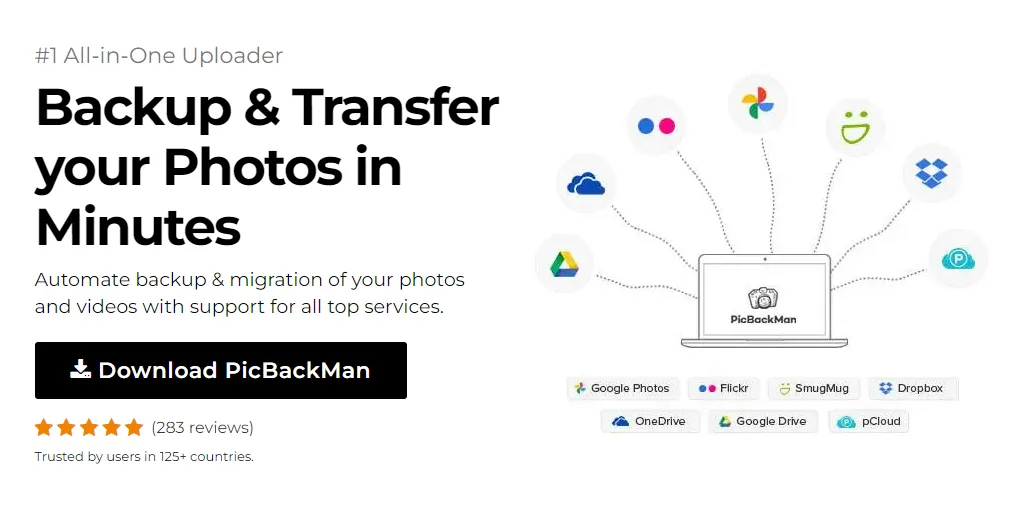
Simply download PicBackMan (it's free!), register your account, connect to your online store and tell PicBackMan where your videos are - PicBackMan does the rest, automatically. It bulk uploads all videos and keeps looking for new ones and uploads those too. You don't have to ever touch it.
Privacy and Security Considerations
When merging photo libraries, keep these privacy factors in mind:
- Google Photos analyzes your photos for search functionality
- iCloud uses end-to-end encryption for data in transit
- Both services have privacy settings you should review
- Consider enabling two-factor authentication on both accounts
To enhance security:
- Regularly update your passwords
- Check which apps have access to your photo libraries
- Review and update sharing settings for albums
Alternative Solutions
Third-Party Photo Management Tools
If merging directly between services seems complicated, consider these alternatives:
- Adobe Lightroom: Can sync with both cloud services
- Amazon Photos: Offers unlimited full-resolution photo storage for Prime members
- Flickr: Provides 1TB of storage in its free tier
- Mylio: Syncs photos across devices without cloud storage
Physical Backup Solutions
For additional peace of mind:
- External hard drives: Affordable one-time cost
- Network Attached Storage (NAS): Create your own private cloud
- Portable SSDs: Fast and reliable physical backups
Conclusion
Merging Google Photos and iCloud doesn't have to be complicated. Whether you choose the manual method for more control or the bulk transfer approach for efficiency, you can create a unified photo library that gives you the best of both worlds.
Remember that the perfect solution depends on your specific needs – how many photos you have, which devices you use most often, and your budget for cloud storage. By following the steps outlined in this guide, you'll be able to access all your precious memories in one place, regardless of which platform they originally came from.
Take your time with the process, especially if you have years of photos to transfer. The effort is worth it for the convenience of a well-organized, fully backed-up photo collection that you can enjoy and share for years to come.
Frequently Asked Questions
Will I lose photo quality when transferring between Google Photos and iCloud?
If you download and upload at original quality, there should be no loss in quality. However, if you're using Google Photos' "Storage saver" option, photos will be compressed. To maintain original quality, make sure to select the appropriate options during export and upload.
Can I automate the process of keeping Google Photos and iCloud in sync?
There's no built-in automation between these services. You would need to periodically perform the steps outlined in this article to keep them synchronized. Some third-party tools claim to offer synchronization, but they often have limitations and may pose security risks.
Will my photo albums and organization transfer when merging libraries?
Album structures typically don't transfer automatically. When you upload photos to a new service, they'll be organized chronologically by default. You'll need to recreate your albums manually after the transfer is complete.
What happens to my edited photos when transferring between services?
If you export "modified" versions from either service, the edits will be baked into the exported files. If you want to preserve both original and edited versions, make sure to export both. Note that edit history and the ability to revert changes will not transfer between services.
Is it worth paying for storage on both Google Photos and iCloud?
It depends on your needs. Many users find value in having one primary service with paid storage while using the free tier of the other as a backup. If you have a very large photo collection or want the unique features of both platforms, paying for both might make sense. Consider the combined monthly cost against the benefits of having dual cloud storage.