![[5 Ways] How to Add 'Shared with me' to 'My Drive'](https://www.picbackman.com/images/tips-tricks-img/5-ways-how-to-add-shared-with-me-to-my-drive.webp)
Menu


Start Free $129 Lifetime
Why is it the #1 bulk uploader?
- Insanely fast!
- Maintains folder structure.
- 100% automated upload.
- Supports RAW files.
- Privacy default.
How can you get started?
Download PicBackMan and start free, then upgrade to annual or lifetime plan as per your needs. Join 100,000+ users who trust PicBackMan for keeping their precious memories safe in multiple online accounts.
Trusted by users in 125+ countries.
“Your pictures are scattered. PicBackMan helps you bring order to your digital memories.”

[5 Ways] How to Add 'Shared with me' to 'My Drive'

Google Drive has become an essential tool for collaboration and file sharing in both professional and personal settings. One common challenge users face is efficiently managing files that others have shared with them. While Google Drive automatically stores these shared files in the “Shared with me” section, you might want to add these files to your “My Drive” for better organization and easier access.
In this guide, I'll walk you through 5 practical ways to add files from "Shared with me" to "My Drive." These methods will help you keep your digital workspace organized and make your workflow more efficient.
Why Move Files from “Shared with Me” to “My Drive”?
Before diving into the methods, let's quickly understand why you might want to add shared files to your main Drive:
- Better organization alongside your own files
- Easier access without navigating to the “Shared with me” section
- Ability to include shared files in your folder structure
- Quick access from mobile devices
- Offline access capabilities for certain file types
Method 1: Using the "Add to My Drive" option
The most straightforward method to move files from “Shared with me” to “My Drive” is using the built-in “Add to My Drive” option. This approach creates a shortcut to the shared file without making a duplicate copy.
Step-by-Step Instructions:
- Open Google Drive in your web browser
- Click on “Shared with me” in the left sidebar
- Find the file or folder you want to add to My Drive
- Right-click on the file
- Select "Add to My Drive" from the dropdown menu
The file will now appear in your “My Drive” section while still remaining in “Shared with me.” This creates a shortcut rather than a duplicate, so any changes made to the file will be visible regardless of which section you access it from.
Important Note:
Adding a file to My Drive this way doesn't create a new copy - it simply creates a reference to the original shared file. This means:
- You're still accessing the same file
- Any changes made will be visible to everyone with access
- If the original owner removes your access, you'll lose access even from My Drive
Method 2: Drag and Drop to My Drive or a Folder
If you prefer a more visual approach, you can use the drag-and-drop method to move files from “Shared with me” to “My Drive” or directly into a specific folder.
Here's How to Do It:
- Open Google Drive in your browser
- Click on “Shared with me” from the left sidebar
- Select the file(s) you want to move (hold Ctrl or ⌘ to select multiple files)
- Drag the selected file(s) to “My Drive” in the left sidebar
- Alternatively, drag them to a specific folder within your Drive
This method is particularly useful when you want to organize multiple files at once or place shared files directly into a specific folder structure.
Pro Tip:
You can open "Shared with me" and "My Drive" in separate browser tabs, then drag files between them for easier organization, especially when dealing with numerous files.
Method 3: Using the “Make a Copy” Feature
Sometimes, you might want to have your own independent copy of a shared file rather than just a reference to it. The "Make a copy" feature allows you to create a duplicate that you fully own.
Follow these steps:
- Go to “Shared with me” in Google Drive
- Right-click on the file you want to copy
- Select "Make a copy" from the dropdown menu
- A new copy will automatically be created in your "My Drive"
- You can rename the copy by right-clicking and selecting “Rename”
When to Use This Method:
Making a copy is ideal when:
- You need to modify a document without affecting the original
- You want to ensure continued access even if the original owner revokes sharing
- You need to create a template based on someone else's work
- You're collaborating on a document but need your own version for specific edits
Limitations to Consider:
- The copy won't receive updates made to the original file
- Comments and revision history from the original aren't transferred
- For large files, this creates duplicate storage that counts toward your quota
Method 4: Using the Mobile App
If you primarily use Google Drive on your mobile device, you can still add shared files to your Drive using the Google Drive app.
Steps for Android and iOS:
- Open the Google Drive app on your mobile device
- Tap on the “Shared” tab at the bottom of the screen
- Find the file you want to add to My Drive
- Tap the three-dot menu icon next to the file
- Select "Add to My Drive"
The file will now appear in your My Drive section, making it easier to access when using your mobile device.
Mobile-Specific Tips:
- You can add files to specific folders by selecting "Move" instead of "Add to My Drive"
- To make files available offline, tap the three-dot menu and select “Available offline” after adding to My Drive
- Use the search function to quickly find shared files if you have many
Method 5: Using Google Drive Keyboard Shortcuts
For power users who prefer keyboard shortcuts, Google Drive offers an efficient way to add shared files to My Drive without using the mouse.
Follow these steps:
- Navigate to “Shared with me” in Google Drive
- Select the file(s) you want to add by clicking on them
- Press Shift + Z on your keyboard
- A "Add to" dialog box will appear
- Select “My Drive” or navigate to a specific folder
- Click "Add here"
This keyboard shortcut method is particularly useful for users who process many files and prefer to minimize mouse usage for efficiency.
Comparison of Methods for Adding Shared Files to My Drive
| Method | Pros | Cons | Best For |
|---|---|---|---|
| Add to My Drive Option | Quick, simple, maintains original file | Dependent on original owner's sharing settings | Everyday use, basic organization |
| Drag and Drop | Visual, intuitive, works with multiple files | Requires more manual dexterity | Visual organizers, batch processing |
| Make a Copy | Full ownership, can modify freely | Uses storage space, no updates from original | When you need to modify or ensure permanent access |
| Mobile App | Accessible on the go | Limited screen space, fewer options | Mobile-first users |
| Keyboard Shortcuts | Fast, efficient for power users | Requires learning shortcuts | Frequent users, productivity-focused people |
Tips for Managing Shared Files in My Drive
Once you've added shared files to My Drive, here are some practical tips to keep everything organized:
Create a Dedicated “Shared” Folder
Consider creating a specific folder in My Drive just for shared files. This keeps them organized while still being in your main Drive structure.
- Go to "My Drive"
- Click "New" > "Folder"
- Name it "Shared Files" or something similar
- Add your shared files to this folder
Use Color Coding for Visual Organization
Google Drive allows you to color-code folders, which can help distinguish shared content from your original files.
- Right-click on a folder in My Drive
- Select "Change color"
- Choose a distinct color for shared content
Regularly Review & Clean Up
To maintain an organized Drive, periodically review your shared files:
- Remove shortcuts to files you no longer need
- Move completed project files to an archive folder
- Check for duplicate shortcuts or copies
Use Stars for Important Shared Files
The star feature in Google Drive helps you quickly access important files:
- Right-click on an important shared file
- Select "Add to Starred"
- Access all starred files from the “Starred” section in the left sidebar
Troubleshooting Common Issues
Even with these straightforward methods, you might encounter some challenges. Here's how to address common problems:
Can't Add to My Drive
If you can't add a shared file to My Drive, check the following:
- Ensure you have at least "Viewer" access to the file
- Check your internet connection
- Try refreshing the page or using a different browser
- Contact the file owner to verify sharing settings
File Disappeared from My Drive
If a shared file you added to My Drive disappears:
- Check “Shared with me” to see if you still have access
- The owner might have revoked your access
- You might have accidentally removed it (check Trash)
- The owner might have deleted the original file
Changes Not Syncing
If changes to shared files aren't syncing properly:
- Refresh your browser
- Check your internet connection
- Verify you have edit permissions if trying to make changes
- Close and reopen the file
Best Practices for Collaboration with Shared Files
To make the most of shared files in Google Drive, follow these collaboration best practices:
Communicate with Collaborators
When working with shared files:
- Use comments to discuss specific points in documents
- Notify collaborators when making major changes
- Establish clear roles for who edits what
Use Version History
Google Drive's version history feature is valuable for collaborative work:
- Open the shared file
- Click "File" > "Version history" > "See version history"
- Review previous versions and who made changes
- Restore earlier versions if needed
Set Clear Naming Conventions
For better organization:
- Use descriptive file names
- Include dates for time-sensitive documents
- Add prefixes like "FINAL" or "DRAFT" to indicate status
Understanding Storage Implications
It's important to understand how shared files affect your Google Drive storage:
Shortcuts vs. Copies
- When you use “Add to My Drive,” you create a shortcut that doesn't use additional storage
- When you "Make a copy," you create a duplicate that counts toward your storage quota
- Files shared with you but not added to My Drive don't count towards your storage
Managing Storage Efficiently
To optimize your Google Drive storage:
- Use shortcuts instead of copies when possible
- Regularly clean up unnecessary duplicates
- Consider upgrading your storage if you frequently need to make copies
Quick Tip to ensure your videos never go missing
Videos are precious memories and all of us never want to lose them to hard disk crashes or missing drives. PicBackMan is the easiest and simplest way to keep your videos safely backed up in one or more online accounts.
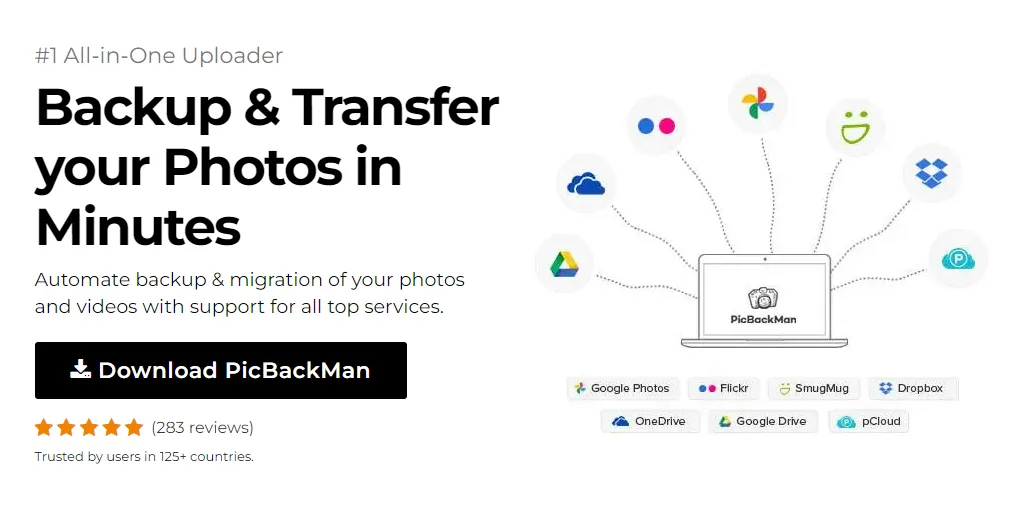
Simply download PicBackMan (it's free!) , register your account, connect to your online store and tell PicBackMan where your videos are - PicBackMan does the rest, automatically. It bulk uploads all videos and keeps looking for new ones and uploads those too. You don't have to ever touch it.
Conclusion
Adding files from “Shared with me” to “My Drive” in Google Drive is a simple yet powerful way to keep your digital workspace organized. Whether you prefer the straightforward “Add to My Drive” option, the visual drag-and-drop method, making independent copies, using the mobile app, or keyboard shortcuts, you now have multiple tools at your disposal to manage shared files efficiently.
Remember that most methods create shortcuts rather than duplicates, which helps save storage space while still giving you easy access to shared content. By implementing the organization tips and best practices covered in this guide, you'll be able to maintain a clean, well-structured Google Drive that enhances your productivity and collaboration.
Start applying these methods today to transform your Google Drive experience and make the most of your shared files!
Frequently Asked Questions (FAQs)
1. Will I lose access to files in My Drive if the original owner deletes them?
Yes, if you've added a shared file to My Drive using the "Add to My Drive" option or drag-and-drop method, you're still accessing the original file. If the owner deletes it or revokes your access, you'll lose access to it even from My Drive. To prevent this, use the "Make a copy" method to create your own independent copy.
2. Can I organize shared files into folders without adding them to My Drive first?
No, you need to add shared files to My Drive before you can organize them into your folder structure. Once added to My Drive, you can move them to any folder or create new folders to organize them as needed.
3. Do changes I make to shared files in My Drive affect the original file?
Yes, when you add a shared file to My Drive (without making a copy), you're still working with the original file. Any changes you make will be visible to all users with access to that file. If you want to make changes without affecting the original, use the “Make a copy” option instead.
4. Can I add shared folders to My Drive the same way as files?
Yes, you can add shared folders to My Drive using the same methods described for files. Right-click on the shared folder and select “Add to My Drive,” or use drag-and-drop to move it to My Drive. The entire folder structure will be maintained.
5. If I delete a shared file from My Drive, will it be deleted for everyone?
No, removing a shared file from your My Drive only removes it from your view. The original file remains intact in the owner's Drive and for other users with whom it's shared. To completely delete a file, you must be the owner, and even then, it will only be removed from other users' "Shared with me" section, not from their "My Drive" if they've added it there.